Entering week 17 of pregnancy often brings a mix of excitement and new physical sensations. You are well into the second trimester, a phase many people find more comfortable than the first, while your baby is rapidly growing, gaining fat, and becoming more active inside the uterus.
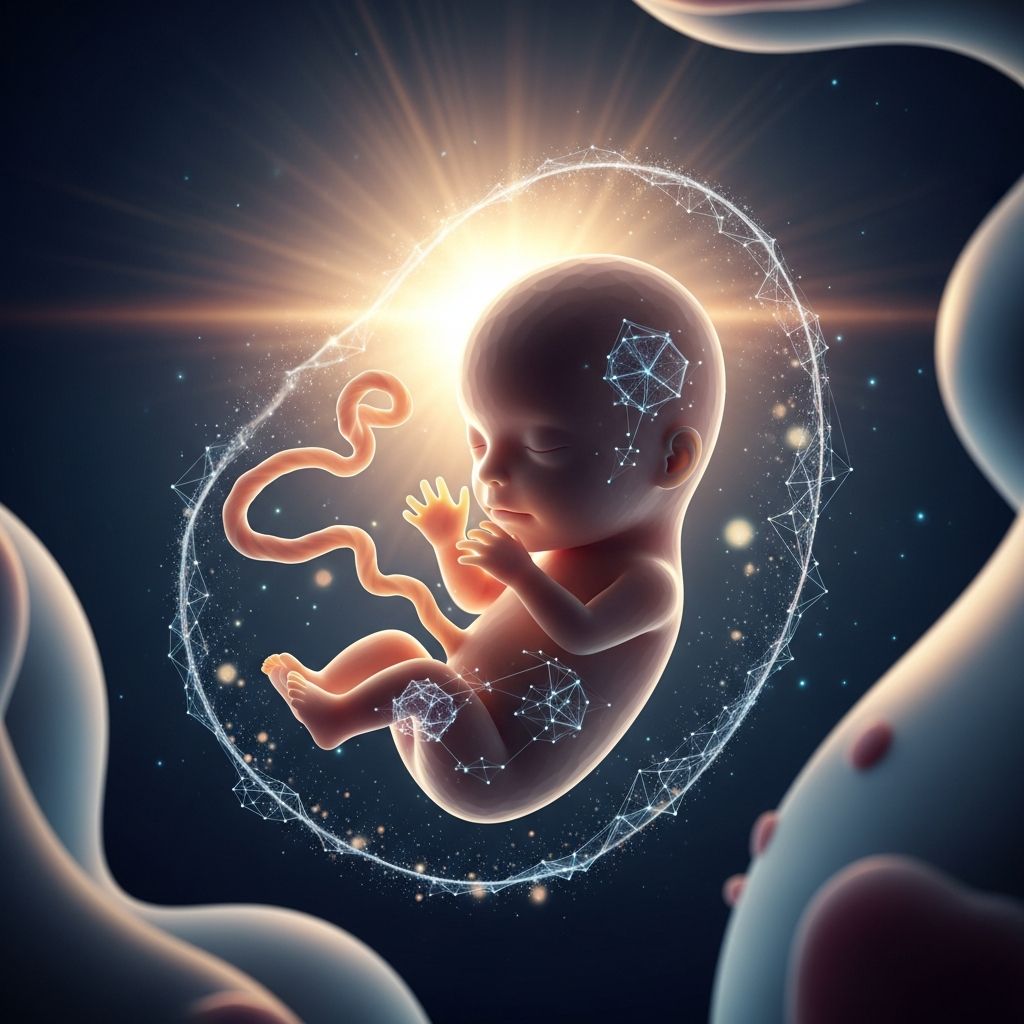
Your Baby’s Growth at 17 Weeks
By the middle of the second trimester, your baby has moved from the earliest, fragile stages of development into a period of steady growth and refinement of organs and body systems.
Size, Weight, and General Appearance
At 17 weeks:
- Your baby measures around 12–13 cm from head to bottom (about 5 inches).
- Estimated weight is about 140–150 grams, or roughly 4.9–5 ounces.
- The body is lengthening so the head looks more proportionate compared with earlier weeks.
- Facial features like eyebrows and eyelashes are forming, and unique fingerprints are present.
The skin is still thin, but a protective layer of fat is beginning to develop under the skin, an important step for temperature control after birth.
Key Internal Developments
Several important changes are underway inside your baby’s body at this stage:
- Bone marrow activity: Red blood cell production is shifting to the bone marrow and will continue there for life.
- Lung development: The branching airways in the lungs are developing, and tiny hair-like structures called cilia are growing to help clear mucus and debris in the future.
- Fat stores: Baby is starting to store fat, which supports metabolism, energy storage, and brain development.
- Sensory function: Baby can move the eyes behind closed lids and react to loud sounds; hearing continues to mature.
- Heart and circulation: The heart is pumping blood through a growing network of blood vessels in the body and placenta.
The Placenta’s Expanding Role
The placenta is critical to your baby’s survival and growth. By week 17, it:
- Contains thousands of blood vessels that carry oxygen and nutrients from your blood to your baby’s body.
- Removes waste products from your baby’s circulation, helping keep the internal environment stable.
- Produces hormones that support pregnancy and help maintain a healthy uterine environment.
How Your Body Is Changing at 17 Weeks
While your baby is developing rapidly, your own body is adapting just as quickly. Many people notice visible and internal changes around this point in pregnancy.
Typical Physical Changes
- Growing abdomen: Your uterus is rising higher into your abdomen, so your waistline expands and your bump becomes more noticeable.
- Weight gain: Many people gain roughly 0.4–0.5 kg (about 1 pound) per week in the mid-second trimester, depending on pre-pregnancy body size and medical guidance.
- Breast changes: Breasts may feel fuller and heavier as glands prepare for possible breastfeeding later.
- Skin changes: Darkening of the nipples, a line down the abdomen (linea nigra), and changes in skin pigmentation are common due to hormone shifts.
Common Symptoms at This Stage
Symptoms vary widely, but many pregnant people report:
- Mild aches and pains: Back discomfort, pelvic pressure, or round ligament pain as ligaments stretch to support the growing uterus.
- Headaches: Often related to hormonal changes, posture, mild dehydration, or fatigue.
- Increased vaginal discharge: Usually thin or milky and odorless, related to increased blood flow and hormonal activity.
- Nasal congestion: Extra blood flow can cause swelling in the nasal passages, sometimes called “pregnancy rhinitis.”
- More vivid dreams: Hormones, emotional processing, and interrupted sleep can all contribute to unusual or intense dreams.
Severe or sudden changes—such as intense abdominal pain, heavy bleeding, severe headaches, or vision changes—should be evaluated promptly by a healthcare professional.
Possible Early Fetal Movement
Some people notice the first fetal movements between weeks 16 and 18, often described as fluttering, rolling, or gentle tapping.
- If this is a first pregnancy, it may take until 18–24 weeks to reliably recognize movements.
- If this is not your first pregnancy, you may notice subtle movement a bit earlier because you know what to expect.
Not feeling movement yet at 17 weeks is usually normal, but mention any concerns at your next prenatal visit.
Looking Ahead: Tests and Appointments
The middle of the second trimester is a key time for screening and ultrasound studies that assess your baby’s structure and growth.
Mid-Pregnancy (Anatomy) Ultrasound
Most healthcare providers schedule a detailed ultrasound, often called the fetal anomaly scan or anatomy scan, between 18 and 21 weeks of pregnancy.
- Checks your baby’s brain, heart, spine, limbs, face, kidneys, and other organs for structural differences or concerns.
- Assesses the placenta, amniotic fluid level, and umbilical cord.
- Usually confirms gestational age and may estimate fetal weight.
- Often allows you to learn the baby’s sex if you choose and if the position is favorable.
If you have unusual symptoms or a higher-risk pregnancy, your provider may suggest additional tests or more frequent imaging.
Routine Prenatal Checkups Around Week 17
A typical appointment in this period may include:
- Checking blood pressure, weight, and sometimes urine for protein or sugar.
- Measuring uterine size (fundal height) to see if growth is on track.
- Listening to the baby’s heartbeat with a Doppler device.
- Reviewing any screening results you have already completed.
- Discussing upcoming blood tests or ultrasound appointments.
Bring questions about symptoms, lifestyle, work, travel, or emotional well-being. Your prenatal visits are the right time to talk through concerns and expectations.
Self-Care and Healthy Habits in Week 17
The habits you practice now support both your current pregnancy and your long-term health. Use this stage to build routines that feel sustainable and realistic.
Nutrition Tips
Healthy eating patterns in pregnancy generally align with standard recommendations for adults but with extra attention to key nutrients. Major public health organizations like the U.S. Office on Women’s Health and the CDC emphasize:
- Folic acid and other B vitamins: Continue prenatal vitamins as prescribed to support neural and blood cell development.
- Iron and protein: Include sources such as lean meats, beans, lentils, tofu, eggs, and fortified grains to support expanding blood volume.
- Calcium and vitamin D: Important for your bones and your baby’s developing skeleton; found in dairy products, fortified nondairy milks, and some leafy greens.
- Fiber and fluids: Whole grains, fruits, vegetables, and sufficient water can reduce constipation, a common pregnancy complaint.
Avoid high-mercury fish, unpasteurized dairy, and undercooked meats, and limit added sugars and highly processed foods where possible.
Safe Physical Activity
For most pregnant people without medical complications, moderate-intensity exercise (like brisk walking, swimming, or prenatal fitness classes) is encouraged throughout pregnancy.
- Many guidelines suggest aiming for at least 150 minutes of moderate activity per week, divided across several days.
- Stop activity and contact a provider if you experience chest pain, dizziness, vaginal bleeding, or painful contractions during exercise.
- Avoid activities with a high risk of falling or abdominal trauma, such as contact sports.
Always confirm any new or intense exercise program with your healthcare provider first.
Positioning and Sleep
As the uterus grows, some sleep positions become less comfortable. Many providers recommend:
- Spending more time sleeping on your side, especially the left side, to support good blood flow.
- Using pillows behind your back or between your knees to reduce strain on your hips and lower back.
- Avoiding long periods lying flat on your back if it causes dizziness or discomfort.
Emotional and Mental Well-Being
Changes in hormones, body image, and life circumstances can all influence mood at this stage of pregnancy.
Common Emotional Experiences
- Mixed feelings: Excitement about the baby and future can coexist with worry, stress, or uncertainty.
- Changes in concentration: Some people feel more forgetful or easily distracted, often described informally as “pregnancy brain.”
- Relationship shifts: Partners and family members may also be adjusting, which can bring both closeness and tension.
When to Seek Additional Support
Depression and anxiety can occur during pregnancy, not just after birth. Warning signs include:
- Persistent sadness or hopelessness.
- Loss of interest in usual activities.
- Severe worry that is hard to control.
- Thoughts of self-harm or harming others.
Organizations such as the American College of Obstetricians and Gynecologists (ACOG) stress that mental health is a core part of prenatal care and encourage discussing these symptoms with a provider, who can offer counseling referrals, support groups, or other treatment options.
Planning Ahead: Practical Considerations
Week 17 can be a useful time to start thinking about logistics and support systems for late pregnancy and life with a newborn.
Questions to Consider
- Will you attend a childbirth education or newborn care class?
- How will you handle work or school near your due date?
- Who can help with meals, childcare for older children, or transportation after birth?
- Do you have preferences about where and how you want to give birth? (Hospital, birth center, pain relief options, support people.)
What to Discuss With Your Healthcare Provider
Use upcoming visits to clarify your plan and expectations. Some helpful questions include:
- “Are my weight gain and baby’s growth on track for this stage?”
- “Which warning signs should make me call you or go to the hospital immediately?”
- “What screening tests are still recommended later in the second trimester and third trimester?”
- “Are there activities or job tasks I should modify for safety?”
Quick Reference Table: Week 17 Overview
| Aspect | What to Know at 17 Weeks |
|---|---|
| Baby’s size | About 12–13 cm from head to bottom; around 140–150 g (about 5 ounces). |
| Key developments | Fat begins to form, fingerprints present, lungs and airways branching, bone marrow starting to make blood cells. |
| Your body | More defined baby bump, potential mild aches, increased discharge, breast and skin changes, possible early movements. |
| Important care | Routine prenatal checkups, planning mid-pregnancy ultrasound (18–21 weeks), monitoring new or severe symptoms. |
| Self-care focus | Balanced nutrition, moderate activity if approved, sleep on the side when possible, emotional support. |
Frequently Asked Questions (FAQs)
Is it normal not to feel my baby move at 17 weeks?
Yes. Many people do not clearly feel fetal movement until 18–24 weeks, especially in a first pregnancy. If you are worried or notice a sudden change compared with your usual pattern later in pregnancy, contact your healthcare provider.
How much weight should I have gained by week 17?
Appropriate weight gain depends on your pre-pregnancy body mass index and individual medical situation. Many people gain steadily through the second trimester, but there is no single number that fits everyone. Your provider can give a personalized range based on guidelines from organizations such as the CDC and ACOG.
Can I still exercise at this stage?
In uncomplicated pregnancies, moderate physical activity is usually encouraged throughout pregnancy and is associated with health benefits for both parent and baby. Always ask your provider before starting or intensifying an exercise routine, and stop if you have pain, dizziness, bleeding, or unusual symptoms.
What warning signs in week 17 need urgent attention?
Contact a healthcare professional or emergency services immediately for heavy vaginal bleeding, sudden severe abdominal pain, leakage of fluid, chest pain, difficulty breathing, severe or persistent headache, vision changes, or signs of infection such as high fever.
Is it safe to travel at 17 weeks pregnant?
Many people can travel safely during the second trimester, which is often considered the most comfortable period for trips. If traveling, especially by air, ask your provider first, move and stretch regularly, drink water, and keep copies of your prenatal records with you.
References
- Pregnancy Calendar: Week 17 — Nemours KidsHealth. 2023-06-01. https://kidshealth.org/en/parents/week17.html
- 17 weeks pregnant guide — National Health Service (NHS). 2023-04-18. https://www.nhs.uk/best-start-in-life/pregnancy/week-by-week-guide-to-pregnancy/2nd-trimester/week-17/
- Fetal Development: Week-by-Week Stages of Pregnancy — Cleveland Clinic. 2022-10-11. https://my.clevelandclinic.org/health/articles/7247-fetal-development-stages-of-growth
- Pregnancy Week by Week — March of Dimes. 2023-03-15. https://www.marchofdimes.org/pregnancy-week-week
- 17 Weeks Pregnant: Your Bump & Pregnancy Symptoms — Tommy’s. 2023-05-09. https://www.tommys.org/pregnancy-information/im-pregnant/pregnancy-week-by-week/17-weeks-pregnant
- Weeks 17 & 18 — Charlotte Lozier Institute. 2021-08-01. https://lozierinstitute.org/fetal-development/weeks-17-and-18/