Anger is a natural emotion that every child experiences, but learning to handle it constructively is a vital skill for emotional health and social success. Parents play a crucial role in teaching children how to recognize triggers, pause before reacting, and choose positive responses. This guide outlines **15 proven strategies** drawn from child psychology principles to help kids build resilience against frustration and outbursts. By implementing these approaches proactively, families can create a supportive environment where anger becomes a manageable feeling rather than a disruptive force.
Understanding the Roots of Childhood Anger
Children often feel anger when they encounter obstacles, unmet needs, or overwhelming situations. Unlike adults, young minds lack fully developed prefrontal cortices—the brain region responsible for impulse control—making emotional regulation challenging. Research from the American Psychological Association emphasizes that early intervention through consistent strategies can rewire these responses, reducing explosive behaviors over time. Triggers might include sibling rivalries, academic pressures, or simple daily frustrations like losing a game. Recognizing these patterns allows parents to address root causes before escalation.
Building emotional awareness starts with normalizing discussions about feelings. When parents openly share their own experiences—such as feeling irritated during traffic—children learn that anger is universal and not shameful. This foundation paves the way for the strategies ahead, promoting a household where emotions are acknowledged without judgment.
Core Foundations for Emotional Regulation
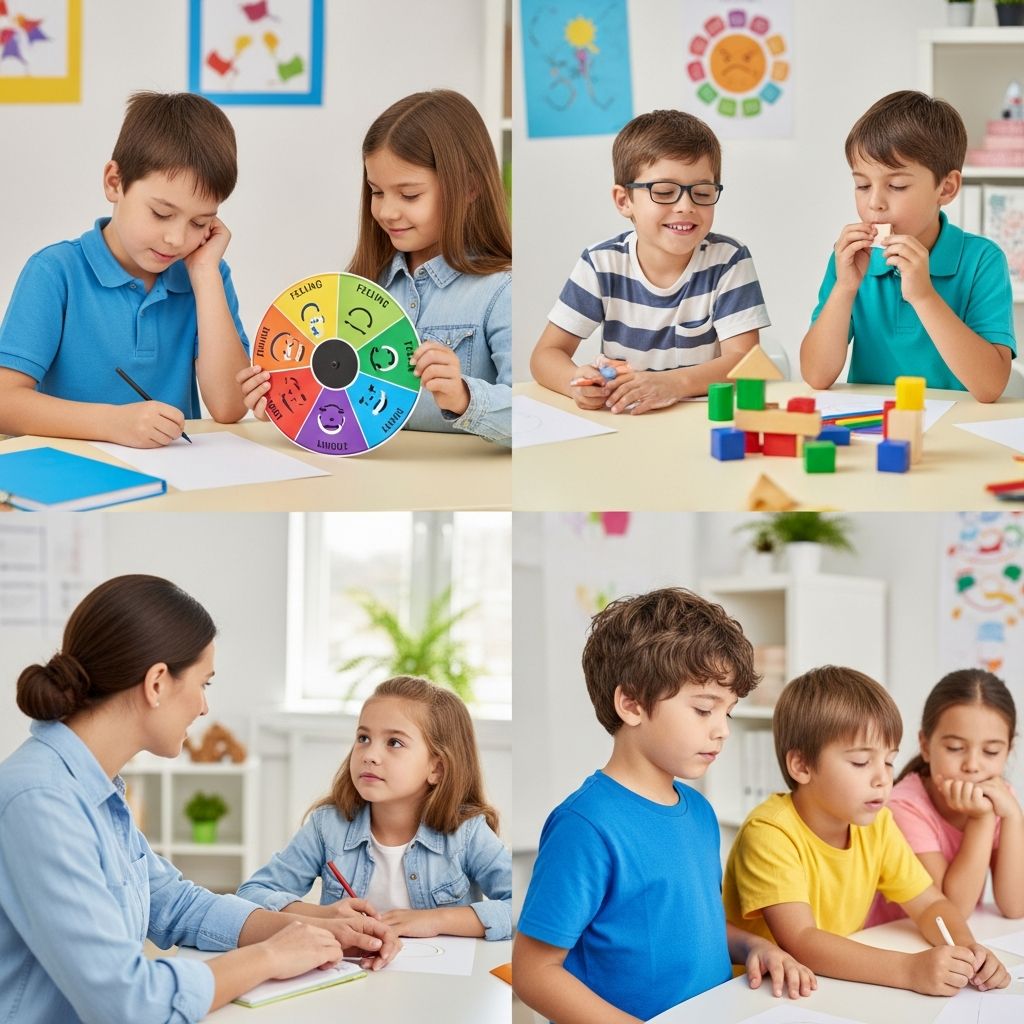
Before diving into specific tactics, establish daily routines that foster self-awareness. Emotional check-ins, for instance, involve pausing to name current feelings, which helps children identify anger early. A simple morning or evening ritual using visual charts can make this habitual, preventing rapid escalations from zero to intense frustration. Pair this with modeling calm responses; when parents stay composed during conflicts, children mirror this behavior, internalizing poise under pressure.
1. Create a Dedicated Calm-Down Space
Designate a cozy corner in your home equipped with soft cushions, stress balls, and sensory items like fidget toys. This safe retreat allows children to withdraw voluntarily when tension rises, practicing self-soothing without external pressure. Unlike punishment, it’s a proactive tool for reset, encouraging return to activities once regulated. Introduce it during calm moments: “This is your special spot for breathing when you need a break.” Over time, it becomes a go-to for independence.
2. Master Deep Breathing Techniques
Teach simple exercises like the “balloon breath”: inhale deeply to fill the belly like a balloon, then exhale slowly. The NHS recommends this alongside counting to 10 or clenching/unclenching fists to release physical tension. Practice together daily—perhaps before bedtime—so it’s automatic during anger spikes. Visual aids, such as a rising/falling thermometer graphic, help kids track their “emotional temperature” from red-hot to cool blue.
3. Build a Robust Feelings Vocabulary
Expand beyond “angry” to words like “frustrated,” “irritated,” or “overwhelmed.” Regular family talks about emotions—using books, shows, or real-life scenarios—strengthens this skill. When children articulate feelings precisely, they gain control, reducing impulsive reactions. Share personal stories: “I felt disappointed when the cake burned, so I took a walk.” This normalizes vulnerability and invites problem-solving.
4. Introduce “I Feel, I Need” Statements
Empower expression with phrases like “I feel upset, I need a hug” or “I’m frustrated, I need quiet time.” These I-statements promote clear communication without blame, teaching assertiveness. Role-play scenarios at dinner: sibling toy disputes or homework struggles. PositivePsychology.com highlights how this shifts focus from accusation to collaboration, enhancing family dynamics.
5. Develop Problem-Solving Frameworks
When kids feel “stuck,” anger surges. Guide them through steps: 1) Identify the problem, 2) Brainstorm solutions, 3) Pick and try one, 4) Reflect on outcomes. Use everyday examples like sharing toys or fixing a broken toy. Social scenario cards during playtime make it fun and proactive, combating helplessness.
6. Incorporate Physical Release Activities
Channel energy constructively with jumping jacks, squeezing playdough, or punching pillows. Games like “Freeze Dance” build impulse control—dance wildly, then halt on command. Schedule short movement breaks daily; this not only vents frustration but boosts endorphins, improving mood regulation.
7. Foster Positive Self-Talk Habits
Counter negative spirals like “I can’t do this!” with affirmations: “I can try again” or “Mistakes help me learn.” Morning routines with written lists reinforce growth mindset, where challenges are opportunities. Praise efforts: “You stayed patient—that’s awesome!” This rewires thought patterns for resilience.
8. Promote a Growth Mindset Culture
Shift from fixed views (“I’m bad at math”) to growth-oriented ones (“I can improve with practice”). Celebrate progress over perfection. When anger stems from failure, remind: “Everyone struggles sometimes; keep going.” This long-term strategy reduces frustration rooted in perceived inadequacies.
9. Set Clear Boundaries and Consequences
Consistent rules with explained outcomes teach accountability. For hitting, a time-out with rationale: “We use words, not hands, to stay safe.” Follow with hugs and discussions post-calm. Avoid leniency, as it reinforces outbursts.
10. Praise and Reinforce Positive Moments
Spotlight successes: “I love how you breathed through that—great job!” Specific praise for using strategies builds confidence. The Kids Mental Health Foundation stresses this amplifies good behaviors over just correcting bad ones.
11. Use Visual and Creative Tools
Drawings of “anger monsters” shrinking with calm actions or meditation scripts ground kids. Positive imagery—like favorite calm places—via journals aids regulation.
12. Encourage Trusted Outlets
Teach confiding in parents or journaling. “Talk to someone safe” builds support networks.
13. Practice Mindfulness Moments
Short grounding exercises: name 5 things seen, 4 touched, etc. Builds present-moment awareness.
14. Team Up Against Triggers
Collaborate to ID sparks like hunger or tiredness, preempting with snacks or naps.
15. Reflect Post-Incident
Debrief calmly: “What helped? What next time?” Turns experiences into lessons.
Age-Appropriate Implementation Table
| Age Group | Key Strategies | Tips for Success |
|---|---|---|
| 2-5 Years | Breathing, calm space, feelings words | Use puppets, short sessions |
| 6-10 Years | I-statements, problem-solving, self-talk | Role-play, visual charts |
| 11+ Years | Mindfulness, reflection, growth mindset | Journaling, teen-relevant scenarios |
Frequently Asked Questions (FAQs)
What if my child refuses these strategies?
Start small during calm times; consistency builds buy-in. Model them yourself first.
How long until improvements show?
Weeks to months with daily practice; track progress in a family chart.
Is professional help needed for frequent outbursts?
If anger disrupts daily life or involves harm, consult a child psychologist.
Can these work for teens too?
Yes, adapt with more autonomy like apps for check-ins.
What about anger from school stress?
Combine problem-solving with teacher communication for holistic support.
References
- 15+ Proactive Anger Management Strategies for Children and Teens — The Pathway 2 Success. 2023. https://www.thepathway2success.com/15-proactive-anger-management-strategies-for-children-and-teens/
- Managing Anger in Kids — Kids Mental Health Foundation. 2024. https://www.kidsmentalhealthfoundation.org/mental-health-resources/behaviors-and-emotions/managing-anger-in-kids
- Angry Kids: Dealing With Explosive Behavior — Child Mind Institute. 2023-10-15. https://childmind.org/article/angry-kids-dealing-with-explosive-behavior/
- Anger Management for Kids: 14 Best Activities & Worksheets — PositivePsychology.com. 2024. https://positivepsychology.com/anger-management-kids/
- Managing Preschool Aggression — American Psychological Association (APA). 2023. https://www.apa.org/topics/parenting/managing-preschool-aggression
- Helping Your Child with Anger Issues — National Health Service (NHS). 2025-01-20. https://www.nhs.uk/mental-health/children-and-young-adults/advice-for-parents/help-your-child-with-anger-issues/