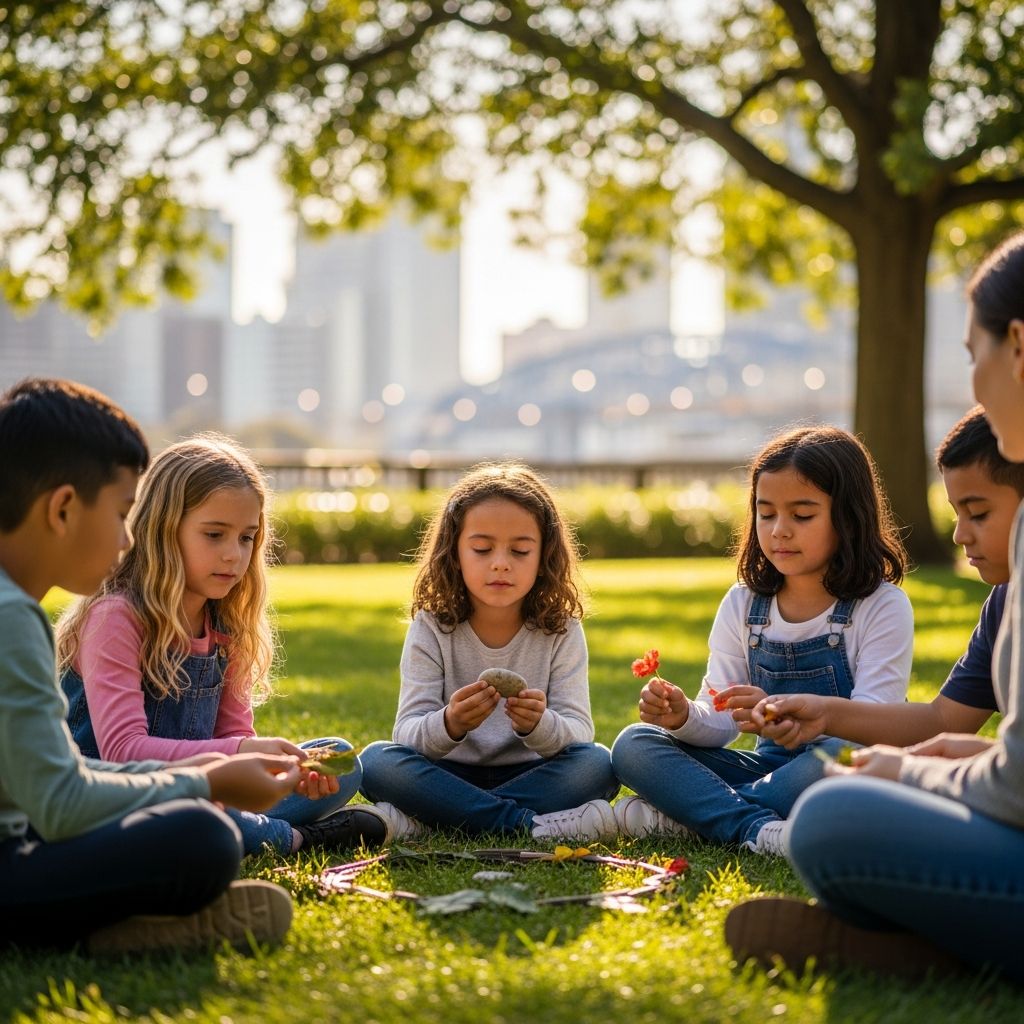
Games have long served as powerful tools for learning across cultures, blending fun with essential skill development like problem-solving, coordination, and social interaction. From ancient traditions to modern adaptations, these activities engage children in ways that formal lessons often cannot, fostering cognitive growth while introducing global perspectives. This article highlights unique games from various regions, offering parents practical ideas to enrich playtime at home or school.
Why International Games Matter for Child Development
Playing games rooted in different cultures exposes children to diverse worldviews, enhances empathy, and builds adaptability. Research from educational organizations emphasizes how such play improves memory, language skills, and teamwork. For instance, physical games promote motor skills, while strategic ones sharpen critical thinking. Incorporating these into daily routines can make learning feel effortless and exciting, helping kids thrive in multicultural environments.
Active Games from Asia and the Middle East
Many Asian and Middle Eastern games emphasize movement, quick thinking, and group dynamics, ideal for energetic kids.
- Running Dictation (India-inspired): Teams send runners to memorize words or phrases from a distant list, then dictate them back to writers. This boosts spelling, listening, and collaboration, adaptable for vocabulary or math facts.
- Rock-Paper-Scissors Bridge (Japan): Players advance across flashcards by chanting terms and winning rock-paper-scissors matches against opponents. It reinforces repetition and competition in a lively format.
- Give Me Five with Balloon (Tunisia): Students tap a balloon while naming five items in a category, eliminating those who falter. Perfect for rapid vocabulary recall and physical engagement.
These games require minimal setup—just paper, markers, and space—making them accessible for family gatherings or classrooms.
Team Challenges from Europe and the Americas
European and American traditions often focus on strategy and communication, turning play into collaborative adventures.
- Human Knot (Universal, popular in US classrooms): Children form a circle, grab hands randomly, and untangle without releasing grips. It teaches patience, verbal instructions, and trust-building.
- Hula Hoop Chain (US adaptation): Participants pass a hoop around a linked circle without breaking hands, enhancing coordination and non-verbal cues.
- Board Race (ESL favorite worldwide): Teams race to write vocabulary or sentences on a board, reviewing lessons through friendly rivalry.
Such activities are excellent icebreakers, helping shy children open up while reinforcing academic content.
Creative Language and Storytelling Games
Games that spark imagination and verbal skills draw from global storytelling heritages, encouraging expressive play.
- Two Truths and a Lie (International ESL): Players share three statements about themselves—two true, one false—for others to guess. Builds speaking confidence and personal sharing.
- Never Have I Ever (Classroom twist): Kids lower fingers for experiences they’ve had, sharing stories in the target language. Great for cultural exchange and narrative skills.
- Castaways Survival Pitch (Creative global): Drawing random objects, children argue why their item ensures survival on a desert island, honing persuasion and creativity.
These foster public speaking and empathy, key for social-emotional growth.
Strategy and Puzzle Games for Deeper Thinking
Board-style and puzzle games from various cultures challenge logic and planning.
| Game | Origin/Inspiration | Skills Developed | Materials Needed |
|---|---|---|---|
| Jeopardy! | US Classroom Classic | Trivia, Teamwork, Quick Recall | Board, Categories, Buzzer |
| Word Jumble Race | Global ESL | Grammar, Spelling, Speed | Paper Strips, Markers |
| Quiz Relay | International Schools | Subject Review, Passing Knowledge | Questions List, Teams |
Jeopardy! turns reviews into game shows, with teams competing on topics like history or science. Word Jumbles scramble sentences for unscrambling races, ideal for grammar practice. Quiz Relays chain answers across teammates, promoting collective success.
Science and Math Adventures Across Borders
STEM-focused games make abstract concepts tangible through interactive challenges.
- Formula Adventure: A board path where players solve equations at stops to advance, incorporating power-ups for hints.
- Science Lab Simulations: Virtual missions like balancing equations or circuit-building via tools like PhET, scoring for accuracy.
- Historical Time Travel Escape: Groups solve era-specific puzzles (e.g., Mughal dates or WWII maps) to ‘escape,’ deepening historical retention.
These blend digital and hands-on elements, suiting tech-savvy families.
Adapting Games for Home and School Use
Parents can customize these for age groups: simplify for toddlers with colors/shapes, add complexity for teens with timers or stakes. Best practices include setting clear rules, rotating roles for fairness, and debriefing to connect play to learning. In diverse settings like international schools, they bridge curricula like CBSE and IB, promoting inclusivity.
For indoor days, use apps like Code.org for logic puzzles or Nobel Prize games for science history. Outdoor variants encourage physical health, aligning with WHO guidelines on child activity.
Frequently Asked Questions
How do these games support different learning styles?
They cater to kinesthetic (movement games), auditory (dictation), and visual (boards/puzzles) learners, ensuring broad engagement.
Are materials expensive?
Most use household items; free online templates abound for boards like Jeopardy!.
Can they fit busy schedules?
Sessions last 10-30 minutes, perfect for after-school or weekends.
What ages are they for?
Scalable from preschool (simple matching) to tweens (complex strategies).
How to include cultural respect?
Research origins, involve kids in discussions, and adapt sensitively.
Building Lasting Family Traditions
Regular game nights with global picks strengthen bonds and curiosity. Track progress in journals, celebrating wins to motivate. As children grow, evolve games to match interests, turning play into lifelong learning habits. These activities not only educate but also weave a tapestry of global understanding, preparing kids for an interconnected world.
References
- Games That Make Studying Enjoyable in International Schools — Sadhana Infinity School. 2023. https://sadhanainfinityschool.com/games-that-make-studying-enjoyable-in-international-schools/
- 21 Fun Classroom Games Every Teacher Needs to Try This Year — Prodigy Game. 2024. https://www.prodigygame.com/main-en/blog/classroom-games
- 17 Fun Games to Get World Language Learners Talking — Edutopia. 2023-05-15. https://www.edutopia.org/article/17-fun-games-to-get-world-language-learners-talking/
- Great Classroom Games: Teacher Picks From Around The World — TESOL International Association. 2022. https://www.tesol.org/blog/posts/great-classroom-games-teacher-picks-from-around-the-world-part-1/
- 10 Fun ESL Games and Activities for Teaching Kids English Abroad — Go Overseas. 2023. https://www.gooverseas.com/blog/10-best-games-esl-teachers
- Educational Games — Nobel Prize Outreach. 2025. https://educationalgames.nobelprize.org