Reaching 14 weeks of pregnancy usually marks the beginning of the second trimester, a time when many people notice a boost in energy, more visible physical changes, and exciting milestones in their baby’s development. This stage often feels like a turning point between the challenges of early pregnancy and the anticipation of the months ahead.
Where You Are in the Pregnancy Timeline
At 14 weeks, you are roughly one-third of the way through pregnancy, with the first trimester behind you and many core organs in your baby already formed. This is often when the pregnancy feels more real, as the risk of early miscarriage has dropped and external signs like a small bump may start to show more clearly.
Although everyone’s timeline is unique, this period commonly brings a shift from primarily internal symptoms like nausea and fatigue to more visible changes in your body’s shape and posture.
Your Baby’s Growth and Development at Week 14
By week 14, your baby has transitioned from the earliest developmental stages into a small but complex human with distinct features and rapidly maturing body systems. Organs that formed earlier are now fine-tuning their function, and movements are becoming more coordinated, even if you cannot feel them yet.
The face is more recognizable, with a clearer profile, a more defined neck, and eyes and ears moving closer to their final positions. Limbs are growing longer in proportion to the body, and hands and feet are capable of small reflex movements such as flexing and curling.
| Area of Development | What’s Happening |
|---|---|
| Overall size | Baby is now a few inches long from head to bottom and weighs only a small number of ounces, but size and weight can vary slightly from one pregnancy to another. |
| Body proportions | The head is still relatively large but the body is lengthening, and the neck allows the head to lift more away from the chest. |
| Facial features | Facial muscles can make small expressions, and the face appears more clearly formed with a visible nose, chin, and lips. |
| Limbs and movement | Arms and legs are more coordinated, allowing bending at the elbows and knees and small, purposeful movements in the womb. |
| Skin and hair | The skin is thin and delicate, and very fine, soft hair may begin to appear on the body’s surface as a temporary protective layer. |
| Internal organs | Structures such as the liver, kidneys, and glands continue to develop their functions, preparing to take on more responsibility later in pregnancy. |
Even though your baby’s movements are typically too subtle for you to detect at this stage, your little one is already stretching, turning, and practicing patterns that support future growth and coordination.
How Your Body Is Changing This Week
As your uterus expands to accommodate your growing baby, your waistline often becomes less defined, and you may notice your abdomen rounding out, especially if this is not your first pregnancy. Clothing that once felt comfortable might now feel snug, prompting a gradual shift to looser items or dedicated maternity wear.
The increased blood volume and hormonal changes characteristic of this phase affect many systems in your body, from your circulation and digestion to your skin and hair. These changes are normal, but they can cause surprising new symptoms.
Common Physical Changes Around 14 Weeks
- A small baby bump may start to appear, or a previously faint bump may become more noticeable.
- Breasts may remain tender or feel heavier and fuller, as the body prepares for future milk production.
- Some people notice changes in skin pigmentation, such as darkening around the nipples or a faint line on the abdomen.
- Increased vaginal discharge is common as blood flow and hormonal activity in the pelvic area rise.
Symptoms You Might Notice at 14 Weeks
Many people report that nausea, vomiting, and profound fatigue start to ease around this time, but this shift does not happen for everyone or on a precise schedule. New sensations may replace earlier symptoms as your body adapts to the second trimester.
Possible Symptoms and Sensations
- Reduced morning sickness: Episodes of nausea may become less frequent or less intense, allowing you to eat a wider range of foods.
- More energy: A decrease in early pregnancy fatigue can bring a sense of renewed motivation for work, movement, and social activities.
- Pelvic or side discomfort: Aches or sharp twinges along the lower abdomen or sides can result from stretching tissues that support the uterus.
- Headaches or lightheadedness: Circulatory changes, fluid balance, and blood sugar fluctuations can occasionally trigger headaches or dizziness.
- Digestive changes: Heartburn, constipation, or gas may still occur or become more noticeable as hormones relax the digestive tract.
- Nasal congestion: Increased blood flow to mucous membranes can produce a feeling of stuffiness, sometimes called “pregnancy rhinitis.”
While many of these experiences are part of a typical pregnancy, it is important to contact your healthcare provider if symptoms are severe, sudden, or worrying, especially if you notice heavy bleeding, intense pain, or significant changes in your vision or breathing.
Emotional and Mental Wellbeing in the Early Second Trimester
Emotional experiences at 14 weeks can range from excitement and relief to anxiety and mood swings. Hormone shifts continue to influence your mental state, but the relative improvement in physical symptoms may create emotional space to think about the future more clearly.
Planning for your baby, considering practical needs, and imagining your new role as a parent can bring joy, but it can also feel overwhelming. Both reactions are common and valid.
Supporting Your Emotional Health
- Share your feelings with trusted friends, family members, or your partner to help reduce a sense of isolation.
- Keep a brief journal of your thoughts and concerns, which can help you notice patterns and talk more easily with your healthcare provider.
- Consider simple relaxation techniques, such as breathing exercises, stretching, or mindfulness practices, to manage stress.
- If worry, sadness, or anxiety are persistent or interfere with daily life, seek professional support; mood disorders can occur during pregnancy and deserve attention and care.
Nutrition Tips for Week 14 and Beyond
Nutrition at this stage emphasizes steady, balanced intake rather than eating for two in a literal sense. Your baby needs a consistent supply of nutrients, but the energy requirement is typically only modestly higher than before pregnancy, depending on your starting point and medical recommendations.
Focusing on nutrient-dense foods can help you feel better physically while supporting your baby’s growth and reducing complications such as excessive weight gain or nutrient deficiencies.
Key Nutrients to Prioritize
- Folate and other B vitamins: Important for red blood cell formation and ongoing development of the nervous system.
- Iron: Supports increased blood volume and helps prevent certain types of anemia that can cause fatigue and weakness.
- Calcium and vitamin D: Essential for building strong bones and teeth and maintaining your own bone health.
- Protein: Needed for growth of fetal tissues, including the brain, and for maintaining your muscle mass.
- Healthy fats: Provide energy and contribute to the development of your baby’s brain and nervous system.
A typical approach is to eat small, frequent meals that combine complex carbohydrates, lean protein, and healthy fats to keep your energy stable and reduce digestive discomfort. Always discuss supplements, special diets, or restrictions with your healthcare provider to ensure they fit your individual needs.
Staying Active and Comfortable at 14 Weeks
Once early pregnancy fatigue and nausea lessen, many people feel ready to move more. Gentle, regular physical activity can help manage stress, support healthy weight gain, improve sleep, and prepare muscles for the later stages of pregnancy and birth.
However, it is essential to listen to your body and modify or avoid activities that feel unsafe, overly strenuous, or uncomfortable, especially those with a high risk of falling or abdominal impact.
Movement Ideas for the Second Trimester
- Brisk walking on flat, safe surfaces to improve circulation and mood.
- Prenatal yoga or stretching classes designed for pregnancy, which focus on flexibility, breathing, and core support.
- Swimming or water aerobics if approved by your provider, which can ease pressure on joints and support the growing bump.
- Light strength exercises using body weight or light resistance to maintain muscle tone, performed with attention to posture and alignment.
Always check with your healthcare provider before starting or continuing an exercise routine in pregnancy, especially if you have medical conditions, past pregnancy complications, or concerns about specific activities.
Medical Visits and Screening Around Week 14
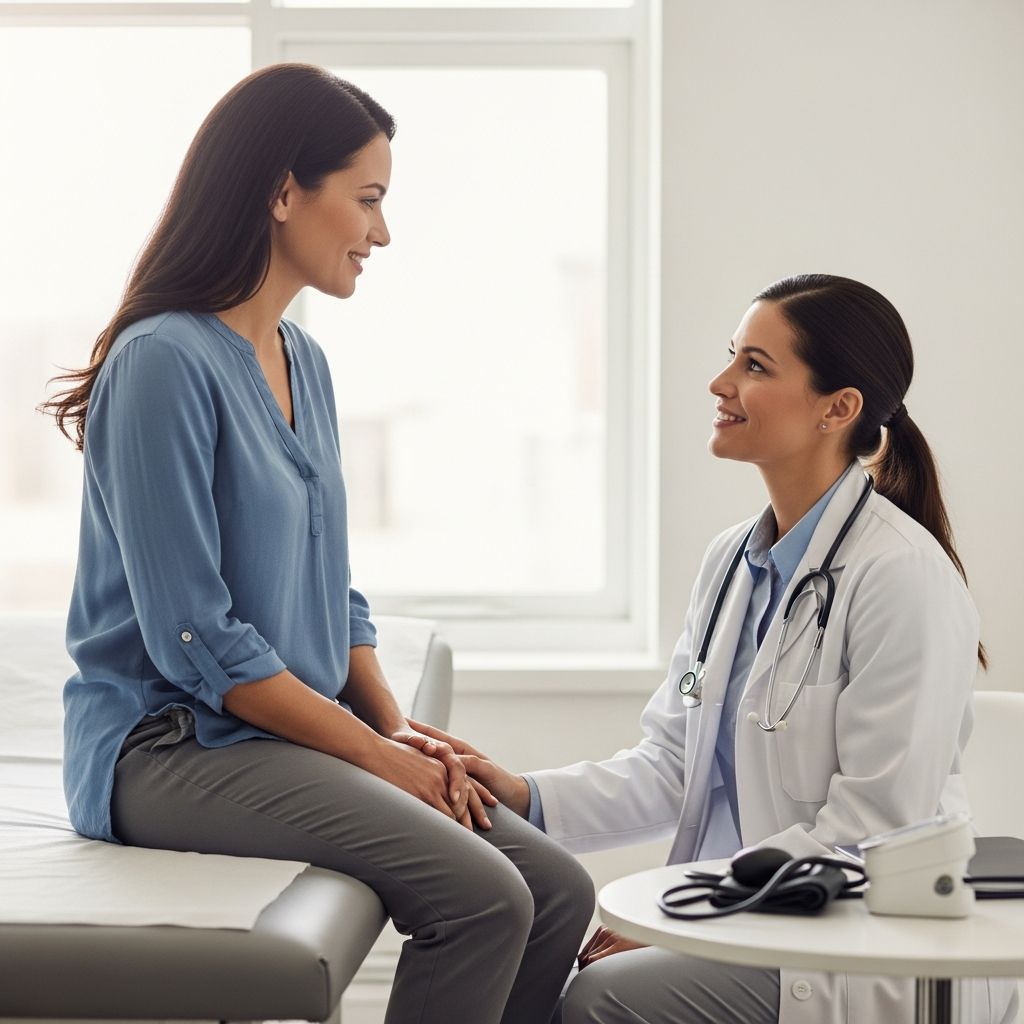
During this period, many people attend a routine prenatal appointment that may include checking weight, blood pressure, and urine, as well as listening to the baby’s heartbeat using a handheld device. These visits are opportunities not only to monitor health but also to ask questions and clarify any worries.
Depending on your location, history, and personal choices, you may also be offered screening tests that estimate the chance of certain genetic or chromosomal conditions. These screenings do not provide a diagnosis but can help determine whether further testing might be helpful.
How to Prepare for Your Appointment
- Write down any questions or symptoms you want to mention so you do not forget them during the visit.
- Bring a list of any medications, supplements, or herbal remedies you take, including doses.
- Ask about upcoming tests or ultrasounds, including what they look for and how you will receive results.
- Discuss travel, work, or exercise plans so your healthcare provider can give tailored guidance.
Preparing Your Environment and Support System
While birth may still feel far away at 14 weeks, this is a comfortable time to begin making gradual plans and building your support network. Taking small steps now can make later months feel more manageable and less rushed.
Preparation does not have to mean purchasing everything at once; instead, focus on setting up systems that will sustain you emotionally, practically, and financially during and after pregnancy.
Practical Steps You Can Start Now
- Consider discussing parental leave or schedule adjustments with your employer well in advance.
- Start a basic budget or savings plan for baby-related expenses, including healthcare, supplies, and childcare.
- Explore childbirth education or newborn care classes in your area or online to take later in pregnancy.
- Identify friends, family members, or community resources you can call on for help with meals, errands, or emotional support after the baby arrives.