April Fools’ Day can be a highlight of the spring season when families focus on gentle, silly tricks that make everyone laugh instead of cry. The best pranks for kids are simple, safe, and easy to explain once the joke is revealed.
Think of April 1st as a chance to sprinkle a little magic into your child’s normal routine: breakfast, getting dressed, screen time, homework, and bedtime can all hide a small surprise. Below are ideas and guidelines to help you plan pranks that feel more like inside jokes than mean-spirited tricks.
Principles of Kid-Friendly Pranking
Before choosing any prank, it helps to define what “good” looks like for your family. Kid-friendly pranks should never humiliate, scare, or endanger a child, and they should be easy to undo once the laughter starts.
- Keep it kind: Avoid anything that targets a child’s insecurities, fears, or body.
- Keep it small: Short, simple tricks usually land better than elaborate, confusing plots.
- Keep it safe: No choking hazards, slippery floors, sharp objects, or pranks while kids are eating or running.
- Keep it reversible: A good prank is easy to clean up, fix, or explain within minutes.
Choosing Age-Appropriate Pranks
Younger children experience jokes differently than tweens and teens, so matching the prank to your child’s age and temperament is crucial. What feels hysterical to a 10-year-old may feel confusing or even upsetting to a preschooler.
| Age Group | Best Prank Style | Example Idea |
|---|---|---|
| 3–5 years | Visual silliness, gentle surprises | Backwards clothes day, goofy stickers on fruit |
| 6–9 years | Simple tricks with clear reveals | Color-changing milk, silly shoe swap |
| 10–13 years | Light “mind-benders,” playful reversals | Fake pop quiz, mixed-up tech, snack switch |
| 14+ years | Collaborative pranks, witty jokes | Teaming up to prank another family member |
Morning Mischief: Start the Day with a Smile
Mornings are a perfect time for small, surprising twists that don’t derail the whole day. Aim for pranks that last a few seconds but make a big impression.
1. Backwards Breakfast Routine
Turn the usual sequence of getting ready upside down in a playful, obviously silly way. The trick is to be over-the-top so kids catch on quickly.
- Serve breakfast with utensils on the “wrong” side of the plate or bowl.
- Wear your shirt backwards and act completely normal until your child points it out.
- Place a small, safe toy on their cereal box to greet them when they sit down.
Once your child notices, announce, “Oops, it must be Silly Morning!” and reset everything to normal so no one feels rushed or stressed.
2. Surprise Color Switch
Adding unexpected color to familiar items can turn an ordinary morning into a mini science show. Use food-safe coloring in tiny amounts and be sure to tell kids it’s safe to consume.
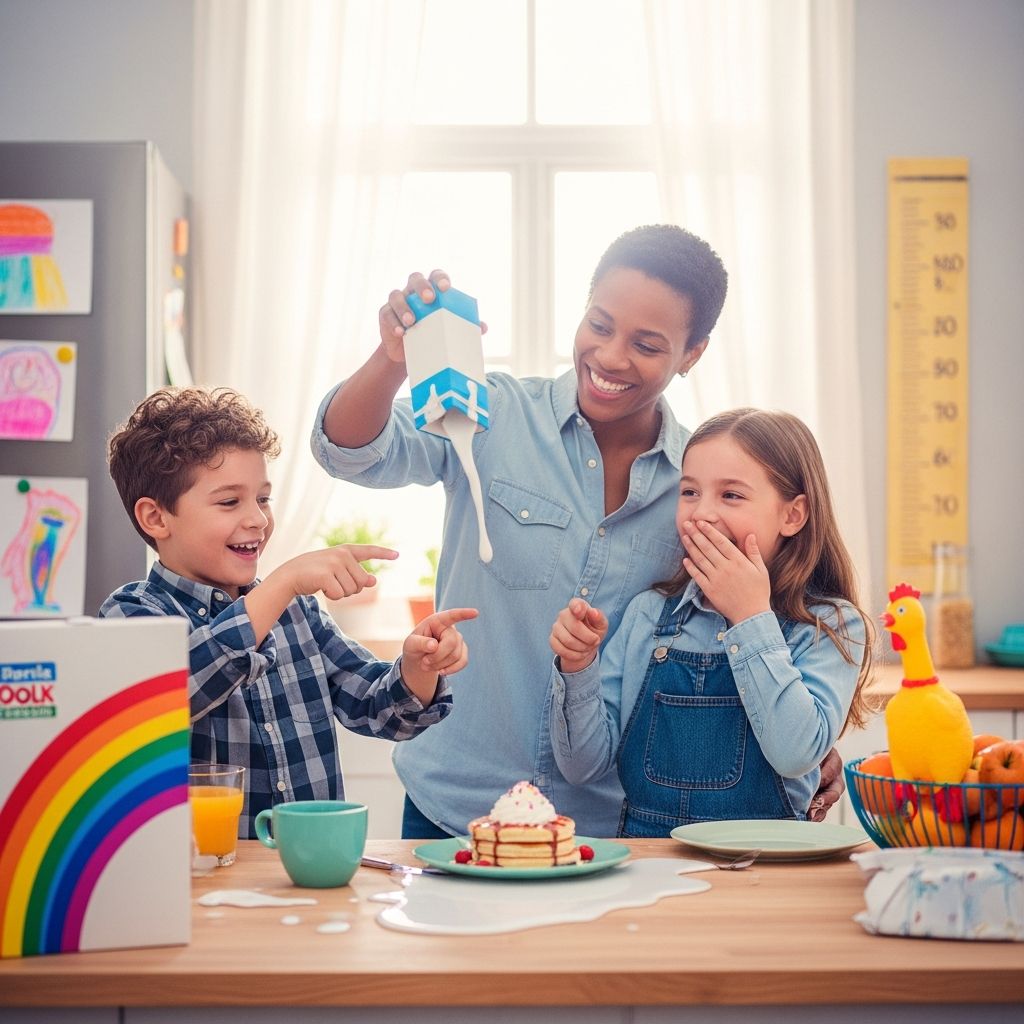
- Color a small portion of milk in a separate cup and pour it into a clear glass to serve with breakfast.
- Drop a bit of color into pancake batter for a bright center or a smiley face design.
- After the reveal, let kids make their own “mad scientist” colored milk or yogurt mixes.
Wardrobe and Everyday Object Switch-Ups
Clothing and common household items offer endless opportunities for low-effort, big-giggle pranks. The goal is to create a moment of confusion followed quickly by laughter.
3. Silly Sock Shuffle
The night before, quietly swap out your child’s regular socks for a pair with wild patterns or mismatched colors. Place them where their usual socks go so they encounter the surprise during their normal routine.
- Make sure the socks are comfortable and appropriate for the day’s weather.
- Join in by wearing your own mismatched socks to show it’s a shared joke, not a trick on them.
- Turn it into a game: challenge everyone to find the most ridiculous sock combination.
4. The Friendly Fridge Makeover
Transform your refrigerator into a cast of characters by dressing up items with simple craft supplies. When kids open the door, it feels like the food is part of the prank too.
- Use removable stickers or tape to attach paper eyes, eyebrows, and smiles to jars and cartons.
- Create a “mayor” of the fridge with a crown drawn on a sticky note for the milk or juice.
- Leave a note inside that says, “We’re watching you… take a snack!” to balance silliness with kindness.
School and Homework-Friendly Pranks
Many families want to keep the day running smoothly, especially on school days. These ideas work around homework and school supplies while staying light and respectful.
5. The Impossible Homework Question
Create a tiny, obviously fake “bonus question” on a scrap of paper and slip it near their homework supplies. The key is to make it so silly that kids instantly suspect a joke.
- Ask something like, “How many bananas can your backpack do in a cartwheel?” with multiple-choice answers.
- Once your child looks confused, reveal that the question is actually a ticket for a quick game or extra bedtime story.
- Use the moment to talk about how to tell the difference between real tasks and silly ones.
6. Topsy-Turvy Pencil Case
Swap the contents of your child’s pencil case with safe, lightweight objects that fit inside and won’t get them in trouble at school. This works best if you can restore the normal supplies before they leave or use it only for at-home work.
- Replace pencils with crayons for a few minutes, or tuck a small note that says, “Your pencils are on vacation!”
- After the laugh, hand them their real supplies so they can complete work without stress.
- For older kids, consider a playful note in their notebook margin instead of changing supplies.
Snack Time Switches and Safe Food Fun
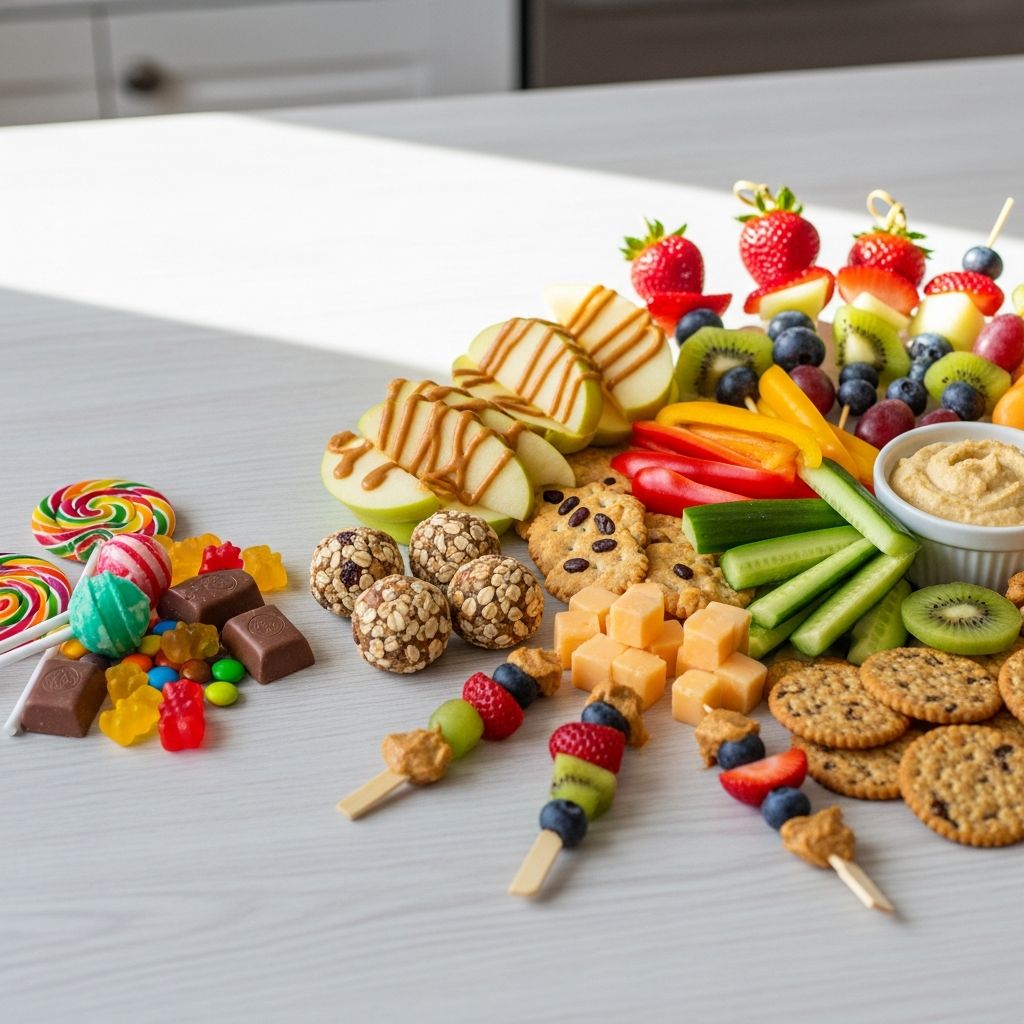
Food-based pranks can be fun as long as they respect allergies, textures your child dislikes, and mealtime boundaries. Try to avoid anything that feels like a broken promise around treats.
7. The Mysterious Snack Swap
Offer a familiar package that holds an unexpected—but still welcome—surprise. The joke rests on the moment their brain expects one thing but sees another.
- Place small toys (that do not pose choking risks) inside a clean, empty snack container and present it at home for a quick giggle.
- Let kids refill the container with the real snack afterward, turning them into co-pranksters.
- Explain the trick clearly so they understand you won’t do this with food they truly depend on, like school lunch.
8. Wiggly “Juice” Cups
Turn a typical drink into a wobbly surprise that refuses to sip through a straw. This is especially fun when served alongside regular drinks for comparison.
- Prepare a gelatin dessert in clear cups that look like juice, then add a straw right before serving.
- Watch your child try to sip, then reveal the prank and let them eat it with a spoon.
- Offer a real drink right away so no one ends up thirsty or frustrated.
Screen Time and Tech Twists
Technology offers clever prank opportunities, but it is easy to push too far. Aim for small visual jokes rather than locking kids out of devices or deleting anything important.
9. The Silly Settings Shuffle
Change something minor and reversible on a shared device that your child uses regularly, and be ready to switch it back immediately after the reveal.
- Set a funny lock screen image (like a family photo with drawn-on doodles) on your own device, not theirs, and show it “by accident.”
- Rename your home Wi-Fi network to a goofy phrase they’ll recognize when they see it on a list.
- After the laugh, invite your child to help restore everything so they feel in control again.
10. The Remote That “Misbehaves”
For families who watch shows together, add a tiny delay between pressing buttons and responding, using your own hidden hand on a second remote or manual controls. Keep this gag extremely brief to avoid frustration.
- Pause or lower the volume once or twice, then quickly reveal that you are the cause before anyone gets annoyed.
- Offer kids a turn to “control” the joke on another adult.
- End with a shared show or movie so the prank blends into positive time together.
Bedtime Pranks That End on a Cozy Note
Evening pranks should calm kids down, not wind them up. Focus on silly visual jokes that fade naturally into the normal bedtime routine.
11. Pillowcase Surprise
Add a lightweight, non-breakable surprise inside your child’s pillowcase, placed flat so it doesn’t feel lumpy or uncomfortable. Reveal it while you are still in the room.
- Slip in a small stuffed animal, a handwritten coupon for an extra bedtime story, or a silly drawing.
- Help your child take it out right away so they can sleep comfortably.
- Use the moment to talk about the best and silliest parts of the day.
12. Glow-in-the-Dark Giggles
If your child enjoys soft, spooky fun, use glow-in-the-dark stickers to create gentle, not-scary shapes on their ceiling or wall. Reveal them with the lights off while you stay close.
- Choose friendly shapes like stars, hearts, or smiling faces instead of anything frightening.
- Let kids rearrange the stickers after the holiday so they feel part of the magic.
- Combine this with a calm story about the “secret constellations” that appear on April Fools’ night.
Involving Kids as Co-Pranksters
One of the healthiest ways to use April Fools’ Day is to turn kids into collaborators instead of just targets. Planning pranks together teaches empathy, timing, and how to read other people’s feelings.
- Invite your child to help design a tiny, kind prank on another parent or a willing grandparent.
- Talk through questions like, “Will this make them laugh?” and “How will we fix it afterward?”
- After each prank, check in: “Did that feel fun for everyone?” and adjust next year’s plans accordingly.
Safety and Emotional Checkpoints
Even harmless ideas can backfire if a child is tired, anxious, or overwhelmed. Keep your plans flexible so you can skip a prank if the mood isn’t right.
- Avoid pranks that involve fake injuries, fake bad news, or pretending to lose something precious.
- Skip anything that might embarrass your child in front of friends, classmates, or online audiences.
- If a prank does not land well, apologize briefly, provide comfort, and move on without making the child feel guilty for not laughing.
Frequently Asked Questions
Are April Fools’ pranks appropriate for very young children?
Pranks can be appropriate for preschoolers if they are extremely simple, gentle, and easy to understand. Think of them more as playful surprises—like a silly face on a banana—than true tricks.
What kinds of pranks should parents avoid with kids?
It is best to avoid pranks that involve fear, shame, or broken trust, such as pretending a parent is hurt, making fun of a child’s appearance, or faking serious bad news. These experiences can linger long after the day ends.
How can I tell if my child is actually enjoying the jokes?
Watch for cues like genuine laughter, relaxed body language, and playful engagement, rather than forced smiles or nervous silence. If your child seems uneasy, scale back immediately and ask what types of jokes feel fun to them.
Is it okay to use food in pranks?
Using food can be fine when it respects allergies, sensory needs, and cultural or family values around wasting food. Keep edible pranks small, safe, and followed quickly by a normal, satisfying meal or snack.
How do I make April Fools’ Day a positive tradition?
Anchor the day in connection rather than trickery by limiting the number of pranks, keeping them kind, and ending with a predictable ritual such as a family game, special dessert, or story time. Over time, kids will associate April Fools’ with shared laughter and closeness.