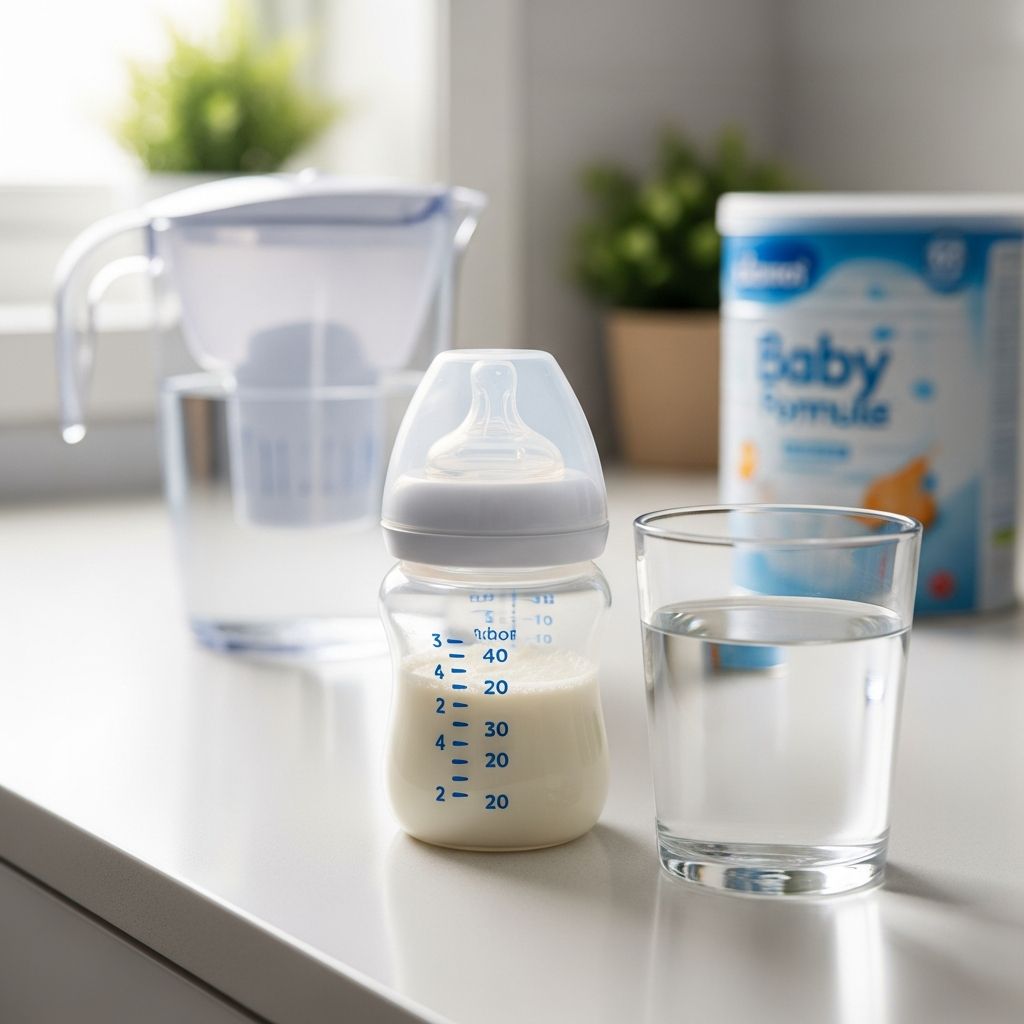
New parents often face a barrage of advice from family, friends, and even online forums. While well-intentioned, much of this guidance stems from practices that science has since disproven. This article examines 12 prevalent myths about newborn care, contrasting them with recommendations from leading pediatric organizations. By understanding these shifts, parents can make informed choices that prioritize their baby’s health and emotional well-being.
Understanding the Evolution of Baby Care Advice
Baby care practices have transformed dramatically over the decades, driven by rigorous research from bodies like the American Academy of Pediatrics (AAP). What was once common sense—such as tummy sleeping to prevent choking—now carries proven risks like increased SIDS incidence. Today’s guidelines emphasize responsive parenting, safe sleep environments, and on-demand feeding to support optimal growth and attachment.
These changes reflect a deeper understanding of infant physiology. Newborns’ immature systems require flexibility rather than rigid routines. Ignoring outdated tips not only reduces health risks but also fosters stronger parent-child bonds through intuitive caregiving.
Top Myths and Modern Alternatives
Below, we break down key myths with explanations grounded in current evidence, organized by care category for easy reference.
Sleep Safety and Positions
- Myth: Place babies on their stomachs to sleep. This advice aimed to avoid choking but actually heightens SIDS risk by restricting breathing. The AAP mandates back-sleeping for all healthy infants on a firm, flat surface without pillows or blankets.
- Myth: Babies sleep best in total darkness and silence. Infants acclimate to womb noises and lights; complete isolation can disrupt natural cycles. Soft white noise and dim lighting mimic prenatal conditions, aiding longer sleep stretches.
Feeding and Nutrition Practices
- Myth: Follow a strict every-four-hour feeding schedule. Newborn stomachs hold little volume, demanding frequent feeds based on hunger cues like rooting or fussing. On-demand feeding ensures adequate nutrition and supports breastfeeding success.
- Myth: Mix rice cereal into bottles for better sleep. This promotes overfeeding, obesity risks, and digestive issues before solids are appropriate (after 4-6 months). Milk alone suffices for the first months.
- Myth: Babies under six months need supplemental water. Breast milk or formula provides full hydration; extra water risks dilution of nutrients and hyponatremia (low blood sodium).
Soothing and Emotional Care
- Myth: Ignore crying to avoid spoiling the baby. Responsive comforting builds secure attachment and trust. Studies show held babies develop better self-regulation, not dependency.
- Myth: Sugar water soothes fussiness effectively. It fosters sweet preferences and dental risks; opt for skin-to-skin contact, swaddling, or pacifiers instead.
Hygiene and Daily Routines
- Myth: Bathe newborns daily. Delicate skin dries out with frequent washing; 2-3 sponge baths weekly suffice until the umbilical cord heals.
- Myth: Never wake a sleeping baby. In the first weeks, rouse every 2-3 hours for feeds to prevent dehydration and establish milk supply.
Overheating and Comfort
- Myth: Bundle babies in layers year-round to prevent colds. Overdressing causes overheating, a SIDS factor. Dress in one more layer than adults; check neck skin for warmth.
Activity and Development Aids
- Myth: Baby walkers accelerate walking. They delay motor skills and pose injury risks; tummy time on the floor builds strength safely.
Comparing Old vs. New Advice: A Quick Reference Table
| Outdated Myth | Risk or Issue | Modern Recommendation | Supporting Evidence |
|---|---|---|---|
| Stomach sleeping | Increased SIDS | Back sleeping on firm surface | AAP Guidelines |
| Cry it out for all cries | Stress, insecure attachment | Responsive soothing | Child psychology research |
| Strict feeding times | Undernutrition | On-demand feeding | Growth studies |
| Rice cereal in bottle | Obesity, allergies | Delay solids to 4-6 months | Pediatric nutrition guidelines |
| Extra water | Water intoxication | Milk-only hydration | Infant physiology |
Why These Myths Persist and How to Counter Them
Generational advice endures because it ‘worked’ for survivors, but survivorship bias ignores tragedies. Social media amplifies unverified tips, underscoring the need for pediatrician consultations. Empower yourself by citing AAP resources during family discussions—evidence trumps anecdote.
Implementing changes requires trial and error. Track your baby’s cues in a journal to refine routines. Parental mental health matters too; responsive care reduces exhaustion by promoting predictable patterns naturally.
Frequently Asked Questions (FAQs)
What is the safest sleep position for my newborn?
Always place babies on their backs for every sleep to minimize SIDS risk, as per AAP guidelines.
Can holding my baby too much spoil them?
No—frequent holding strengthens emotional bonds and self-soothing skills, debunking the spoiling myth.
Should I wake my baby to feed at night?
Yes, every 2-3 hours initially to ensure growth; transition to cues after the first month.
Is formula inferior to breastfeeding?
FDA-regulated formulas meet nutritional needs fully; choice depends on family circumstances.
How often should I bathe my baby?
2-3 times weekly prevents dry skin; spot-clean as needed.
Do baby walkers help with development?
No, they hinder milestones and cause injuries; prioritize tummy time.
Building a Supportive Care Environment
Beyond debunking myths, create a nurturing setup: room-share for 6-12 months sans bed-sharing, use breathable sleep sacks, and ensure smoke-free homes. Vaccinations and pacifier use (post-breastfeeding establishment) further bolster safety.
Parental education via apps and classes bridges knowledge gaps. Diverse families benefit from culturally sensitive resources, adapting universal guidelines to unique needs.
Embracing evidence-based care evolves parenting from tradition-bound to science-informed, yielding healthier outcomes. Consult professionals for personalized advice.
References
- Safe Sleep Recommendations — American Academy of Pediatrics. 2022-10-24. https://www.aap.org/en/patient-care/safe-sleep/
- Infant Nutrition and Feeding Guidelines — Centers for Disease Control and Prevention (CDC). 2024-06-12. https://www.cdc.gov/nutrition/infantandtoddlernutrition/index.html
- SIDS and Other Sleep-Related Infant Deaths — National Institute of Child Health and Human Development (NICHD). 2023-11-01. https://www.nichd.nih.gov/health/topics/sids
- Pediatric Sleep Guidelines — World Health Organization (WHO). 2023-05-15. https://www.who.int/tools/child-growth-standards/standards/sleep
- Pediatricians Debunk Baby Myths — Mount Sinai Parenting Center via YouTube (Insider Science). 2020-02-04. https://www.youtube.com/watch?v=jzFY1KDoaeU