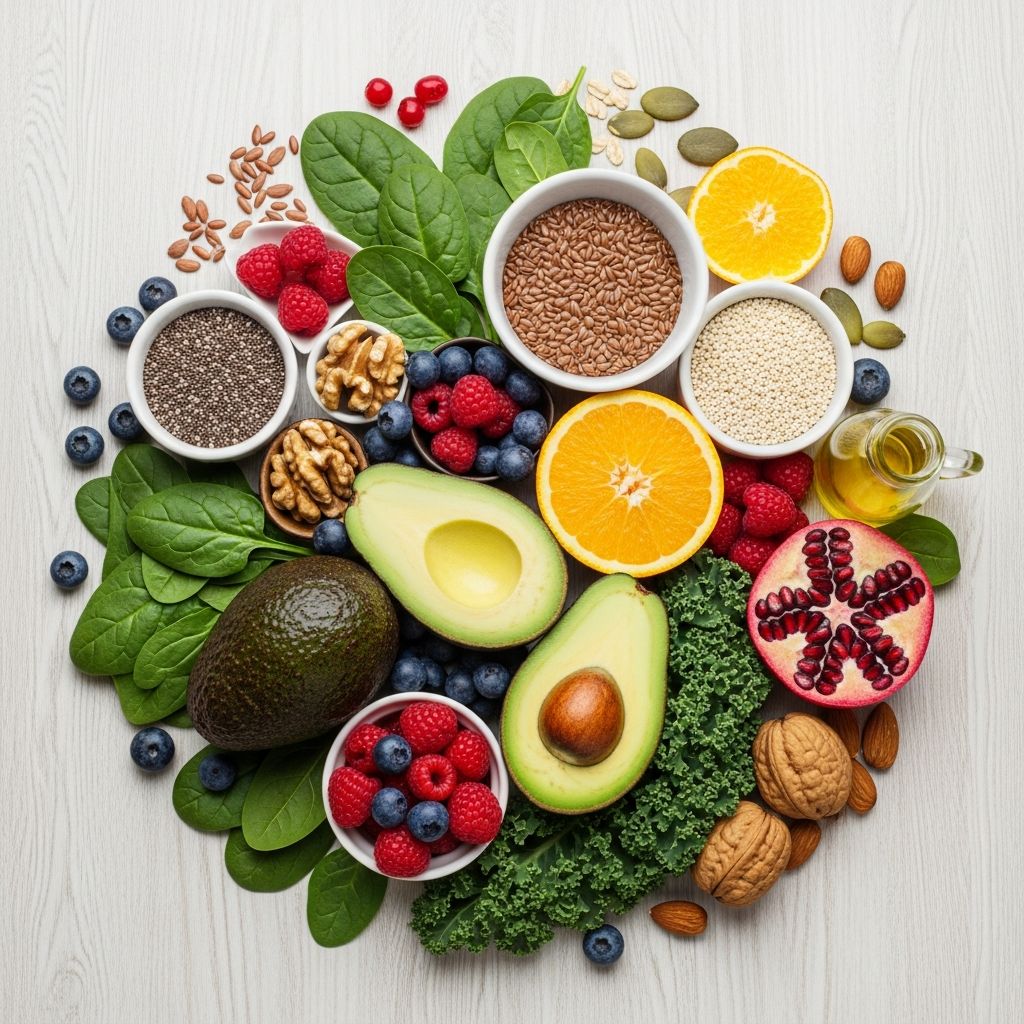
Nutrition plays a pivotal role in reproductive health, influencing hormone balance, egg quality, sperm motility, and overall conception success. Research consistently shows that diets emphasizing whole foods, essential nutrients, and balanced macronutrients can enhance fertility rates for both partners. By prioritizing nutrient-dense choices over processed items, couples can create an optimal environment for conception. This guide outlines 12 actionable strategies drawn from credible studies, helping you build meals that support your journey to parenthood.
Understanding the Fertility-Nutrition Connection
The link between diet and fertility is supported by extensive research, including large-scale studies on ovulatory function and sperm health. For women, diets high in trans fats and refined sugars impair ovulation, while those rich in fiber, omega-3s, and plant proteins promote regular cycles. Men benefit similarly, with antioxidants improving sperm parameters. Key mechanisms include reduced inflammation, better insulin sensitivity, and enhanced nutrient delivery to reproductive cells. Maintaining a healthy weight—avoiding both underweight and overweight states—is foundational, as extremes disrupt hormones like estrogen and testosterone.
Strategy 1: Prioritize Folate-Rich Plant Foods
Folate, or vitamin B9, is crucial for DNA synthesis and preventing neural tube defects, making it a preconception staple. Women should aim for 400-800 mcg daily from food sources before supplements. Leafy greens like spinach and kale deliver bioavailable folate alongside antioxidants that protect egg quality. Citrus fruits and avocados add variety, while beans provide sustained energy. Incorporate these into salads, smoothies, or stir-fries for daily intake.
- Spinach: 194 mcg per cup cooked
- Avocado: 81 mcg per half
- Lentils: 358 mcg per cup cooked
- Broccoli: 104 mcg per cup cooked
Strategy 2: Embrace Omega-3s from Low-Mercury Seafood
Omega-3 fatty acids reduce inflammation and support hormone production, with studies linking higher intake to shorter time-to-pregnancy. Opt for salmon, sardines, and walnuts—avoid high-mercury fish like tuna. Couples consuming 8+ seafood servings per cycle conceived faster. For vegetarians, flaxseeds and chia seeds offer ALA, though conversion to usable forms is limited.
Strategy 3: Choose Full-Fat Dairy for Hormonal Balance
Full-fat dairy lowers ovulatory infertility risk compared to low-fat versions, thanks to calcium, vitamins A/D/E, and polyamines in cheeses. A glass of whole milk daily correlates with better fertility outcomes. Greek yogurt pairs calcium with probiotics for gut health, indirectly aiding nutrient absorption. Limit to 2-3 servings to balance calories.
Strategy 4: Load Up on Antioxidant-Packed Berries and Veggies
Antioxidants combat oxidative stress, which damages eggs and sperm. Berries, bell peppers, and kale provide vitamins C/E, boosting ovulation and motility. Aim to fill half your plate with colorful produce for a broad spectrum of protective compounds. Research ties higher intake to improved fertility markers.
Strategy 5: Opt for Plant Proteins Over Red Meat
Plant proteins from lentils, beans, and tofu support fertility better than animal sources, reducing insulin resistance. Harvard studies show women eating more plants conceive faster. Combine with whole grains for complete amino acids—try lentil soups or chickpea salads.
Strategy 6: Incorporate Healthy Monounsaturated Fats
Avocados, olive oil, nuts, and seeds supply MUFAs that enhance conception odds in Mediterranean-style diets. These fats improve cell membrane fluidity for better hormone signaling. Drizzle olive oil on veggies or snack on almonds for steady benefits.
| Food Source | Key Nutrient | Fertility Benefit |
|---|---|---|
| Avocado | MUFAs, Folate | Hormone balance, egg quality |
| Olive Oil | MUFAs | Reduces inflammation |
| Almonds | Vitamin E, Healthy Fats | Sperm motility |
| Walnuts | Omega-3s | Ovulation support |
Strategy 7: Focus on Complex Carbs and Fiber
Slow-digesting carbs from sweet potatoes, whole grains, and beans stabilize blood sugar, vital for ovulation. High-fiber intake flushes toxins and supports gut health, linked to faster conception. Avoid refined carbs, which spike insulin and disrupt cycles.
Strategy 8: Boost Iron from Diverse Sources
Iron prevents anemia, which hampers fertility; pair plant sources with vitamin C for absorption. Eggs, beans, and spinach meet needs without excess heme iron from red meat.
Strategy 9: Add Zinc-Rich Foods for Reproductive Strength
Zinc aids egg/sperm production and immunity. Oysters, pumpkin seeds, and whole grains provide it—essential for healthy follicles and semen quality.
Strategy 10: Build Balanced Plates with the Three Pillar Method
Every meal should include: 1) Complex carbs (veggies/grains), 2) Lean/plant protein, 3) Healthy fats. This ensures steady energy and nutrient synergy, simplifying fertility-friendly eating.
Strategy 11: Consider the Mediterranean Blueprint
Rich in veggies, fish, olive oil, and nuts, this pattern improves fertility via anti-inflammatory effects and better metabolic health. Studies confirm lower infertility risk with adherence.
Strategy 12: Time Supplements Wisely
Start folic acid 3 months preconception; consider prenatal multis with B-vitamins. Food-first approach maximizes absorption.
Sample 7-Day Fertility Meal Plan
| Day | Breakfast | Lunch | Dinner | Snack |
|---|---|---|---|---|
| Monday | Greek yogurt with berries & walnuts | Lentil salad w/ spinach, avocado | Salmon, quinoa, broccoli | Apple w/ almond butter |
| Tuesday | Oatmeal w/ flaxseeds, citrus | Chickpea wrap w/ veggies | Tofu stir-fry w/ kale | Full-fat cheese & nuts |
| Wednesday | Smoothie: kale, banana, yogurt | Bean soup w/ whole grain bread | Sardines, sweet potato, greens | Handful of mixed seeds |
| Thursday | Eggs w/ spinach & avocado | Quinoa bowl w/ peppers, nuts | Chicken, brown rice, asparagus | Greek yogurt parfait |
| Friday | Whole grain toast w/ peanut butter | Tuna salad (low-mercury) w/ greens | Lentils, olive oil veggies | Orange & cashews |
| Saturday | Yogurt bowl w/ chia, fruits | Veggie stir-fry w/ tofu | Salmon cakes, fiber-rich slaw | Walnuts & dark chocolate |
| Sunday | Smoothie w/ folate-rich greens | Bean burger on whole grain | Fish tacos w/ cabbage slaw | Avocado on rice cake |
This plan delivers 2,000-2,200 calories, adjustable for needs, emphasizing variety for sustained nutrition.
Frequently Asked Questions (FAQs)
How long before trying to conceive should I change my diet?
Start 3 months prior for optimal nutrient stores, especially folate.
Can men benefit from these diet tips?
Yes, omega-3s, antioxidants, and zinc improve sperm health.
Is full-fat dairy better than low-fat for fertility?
Evidence suggests yes, due to hormonal benefits.
Should I avoid all carbs?
No—choose complex ones for blood sugar stability.
What if I’m vegetarian?
Focus on lentils, nuts, seeds, and fortified foods for complete nutrition.
Lifestyle Synergies for Maximum Impact
Diet pairs best with exercise (150 min/week moderate), stress reduction, and 7-9 hours sleep. Limit alcohol/coffee; quit smoking. Track cycles for timing intercourse. Consult a doctor for personalized advice, especially with conditions like PCOS.
(Word count: 1678)
References
- Healthy foods to eat when you’re trying to get pregnant — University Health. 2023. https://www.universityhealth.com/blog/healthy-foods-to-eat-when-trying-to-get-pregnant
- Foods For Fertility – 7 Foods To Boost Fertility — Fertility Academy. 2023. https://www.fertility-academy.co.uk/blog/foods-for-fertility-7-foods-to-boost-fertility/
- 6 foods that boost fertility — UCLA Health. 2023. https://www.uclahealth.org/news/article/6-foods-boost-fertility
- Conception Tips — Fertility Network UK. 2023. https://fertilitynetworkuk.org/learn-about-fertility/factors-affecting-fertility/lifestyle-fertility/conception-tips/
- Fertility Diet — University of Rochester Medical Center. 2023. https://www.urmc.rochester.edu/medialibraries/urmcmedia/fertility-center/education/documents/fertility-diet.pdf
- Female Fertility and the Nutritional Approach — PMC (PubMed Central). 2021-11-22. https://pmc.ncbi.nlm.nih.gov/articles/PMC8634384/
- Fertility Boosting Foods for Women Trying to Conceive — PFCLA. 2023. https://www.pfcla.com/blog/foods-that-help-you-get-pregnant
- What Is the Optimal Fertility Diet? — Women & Infants Fertility Center. 2023. https://fertility.womenandinfants.org/blog/fertility-diet