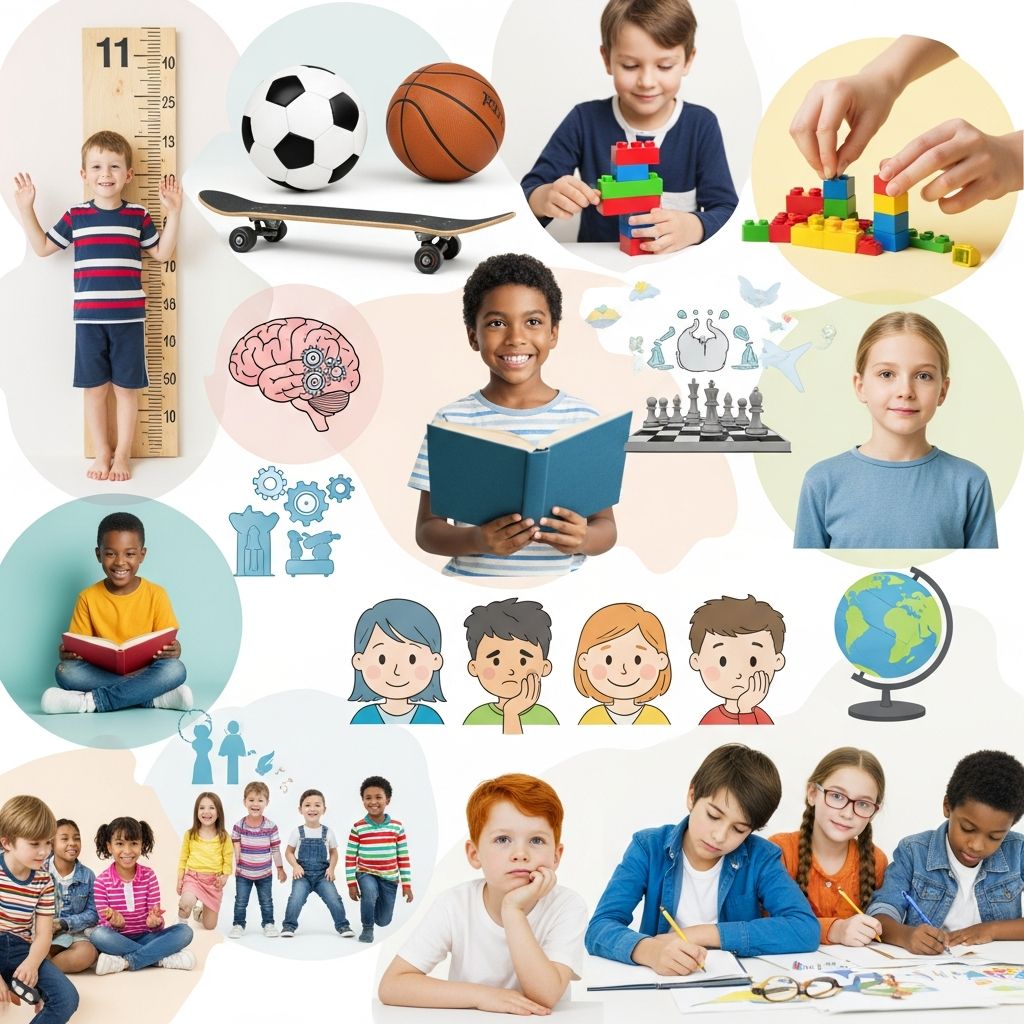
At age 11, children stand at the threshold of adolescence, experiencing rapid changes across physical, cognitive, emotional, and social domains. This period marks a shift from childhood dependency to greater independence, with puberty often beginning, influencing everything from body image to peer relationships. Parents play a crucial role in guiding these transitions by fostering open communication and healthy habits.
Physical Transformations and Health Needs
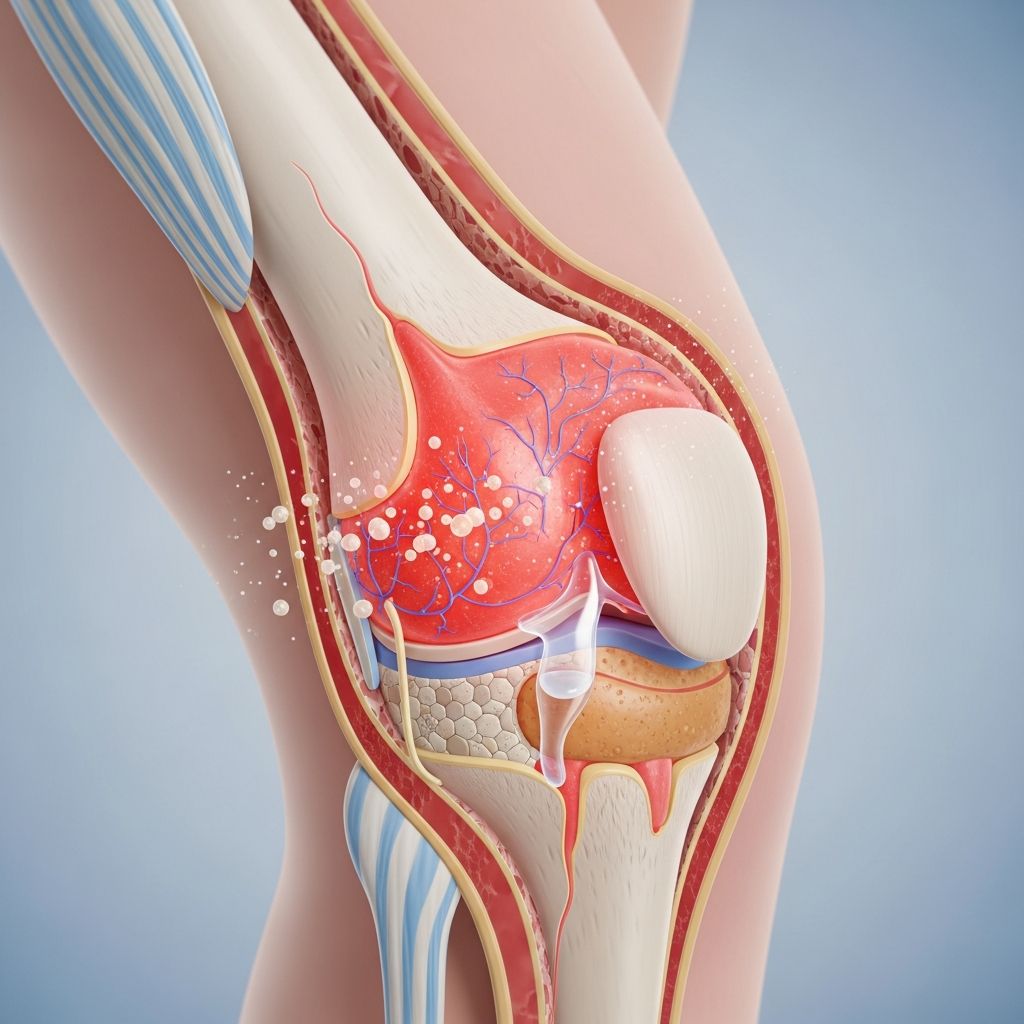
Eleven-year-olds undergo significant physical development, often entering early puberty. Girls typically experience breast development, pubic and underarm hair growth, and may have their first menstrual period, especially if taller and heavier. Boys begin showing muscular changes later, around age 13, but both genders see growth spurts, standing 4-5 feet tall and weighing 70-100 pounds on average. Body fat increases as part of normal puberty, and acne or new permanent teeth may emerge.
To support this growth, preteens require 9-11 hours of sleep nightly, at least one hour of daily physical activity, and a diet rich in fruits, vegetables, low-fat dairy (up to 3 cups daily), while limiting fats, sugars, salt, and screen time to under 2 hours. Fine motor skills improve, enabling better handwriting, tool use, and sports participation like basketball or soccer, building endurance and coordination.
| Physical Milestone | Description | Health Tip |
|---|---|---|
| Growth Spurt | Rapid height/weight gain; girls earlier than boys | Monitor nutrition for calcium and protein |
| Puberty Signs | Breast development (girls), muscle growth (boys), hair growth | Discuss body changes openly |
| Motor Skills | Improved balance, handwriting, team sports | Encourage 60+ minutes of activity daily |
| Sleep & Activity | 9-11 hours sleep; high energy needs | Limit screens to promote rest |
Cognitive Advances and Learning Progress
Cognitively, 11-year-olds grasp abstract ideas, understand cause-and-effect, and differentiate reality from imagination. They handle complex math like fractions, two-digit operations, variables, ratios, and negative numbers, with longer attention spans for chapter books and problem-solving. Logical thinking organizes ideas, recognizes reversibility (e.g., 2+4=6, 6-4=2), and considers long-term consequences of choices.
Academic challenges intensify, but improved decision-making and categorization skills (grouping objects by use) aid learning. They read paragraphs of complex sentences, converse across ages, and respond to tone/intent beyond literal words. Interests may shift, with uneven performance, but systematic problem-solving emerges.
- Key Cognitive Skills: Abstract reasoning, future planning, empathy in perspectives.
- Academic Milestones: Chapter books, advanced math, logical debates.
- Challenges: Peer pressure impacting focus; support with routines.
Emotional Maturity and Self-Regulation
Emotionally, preteens develop empathy, control anger better, and articulate feelings, though mood swings persist from hormonal shifts. They understand right/wrong, others’ viewpoints, and private thoughts, fostering self-regulation and independence. Peer pressure rises, with friends central to identity, leading to body consciousness and potential image issues.
They resist parental affection, prioritize hobbies, and explore identity via style or activities. Puberty heightens self-awareness, risking low self-esteem; reassure that changes vary by genetics. Red flags include disinterest in activities, isolation, appetite changes, sleep issues, or concentration struggles—consult a pediatrician.
Social Dynamics and Friendship Evolution
Socially, friendships deepen into complex bonds based on trust/values, more vital than family time. Preteens plan with peers, face fitting-in pressure, and may explore romantic interests or risky behaviors like substance experimentation—discuss dangers early. Independence grows; they dress, groom, and decide more autonomously.
Annual checkups should assess height/weight, puberty, spine curvature, vision, and vaccines. Involve in school, know friends’ families, set online limits, and talk puberty/risks.
Daily Routines and Parental Support Strategies
Structure days for success: consistent sleep, balanced meals, active play. Encourage hobbies for self-esteem, model healthy behaviors. Puberty talks normalize changes; monitor for 9-12 hours sleep.
- Promote team sports for coordination/social skills.
- Limit media; foster reading/writing.
- Build resilience against peer pressure.
Warning Signs Requiring Professional Attention
While variability is normal, persistent issues warrant help:
- Sudden withdrawal or loss of joy in hobbies.
- Eating/sleep disruptions, nightmares.
- Focus struggles or mood extremes.
- Body image distress or risky peer influences.
Pediatricians track milestones; early intervention aids.
Frequently Asked Questions (FAQs)
What sleep does an 11-year-old need?
9-11 hours nightly to fuel growth and brain development.
When does puberty typically start at 11?
Girls often earlier with breast/hair growth; boys lag; varies by genetics.
How to handle increased peer pressure?
Open talks on risks, strong family bonds, teach decision-making.
What activities build skills at this age?
Team sports, reading, puzzles for physical/cognitive growth.
Is uneven academic performance normal?
Yes, as brain matures; support with patience and resources.
References
- Developmental Milestones for Grade Schoolers (6–12-Years) — JoinCoralCare. 2023. https://www.joincoralcare.com/developmental-guides/milestones-grade-schoolers-6-12-years
- Your Daughter at 11: Milestones — WebMD. 2023-10-01. https://www.webmd.com/parenting/daughter-11-milestones
- Developmental milestones: 9 to 11 years old — Airline Health Center. 2024. https://www.airlinehealthcenter.org/milestones-ages-9-11/
- Milestones for Ages 11 to 14 — Kaiser Permanente Healthy. 2023. https://healthy.kaiserpermanente.org/health-wellness/health-encyclopedia/he.milestones-for-ages-11-to-14.abo8758
- Growth & Development: 6 to 12 Years (School Age) — CHOC. 2024. https://choc.org/ages-stages/6-to-12-years/