At 11 months, babies are bursting with energy and curiosity, mastering movements like crawling, standing, and even early steps while exploring the world through touch, sound, and interaction. These play ideas draw from developmental milestones to nurture gross and fine motor skills, cognitive understanding, language, and emotional connections, helping your little one thrive toward their first birthday.
Mastering Movement Through Active Exploration
Eleven-month-olds often crawl efficiently, pull to stand using furniture, and may cruise along edges or take tentative steps, building strength for independent walking. Activities that encourage safe mobility boost muscle coordination and confidence.
- Treasure Trail Crawl: Scatter soft toys or household items like scarves across a carpeted floor. Place favorites just beyond reach to motivate scooting, crawling, or pulling up, enhancing gross motor progress as they navigate obstacles.
- Furniture Adventure Path: Arrange stable couches or low tables in a line. Encourage cruising by positioning colorful balls or stacking cups at each station, promoting balance and leg strength while supervising closely.
- Step-by-Step Walker Game: Hold hands loosely for supported steps around the room, or use a sturdy push toy to propel forward motion. This mimics early walking practice without full independence yet.
These games align with milestones where babies bear weight on legs and transition from sitting to standing independently, fostering the physical foundation for toddlerhood.
Hand-Eye Wonders: Fine Motor Fun
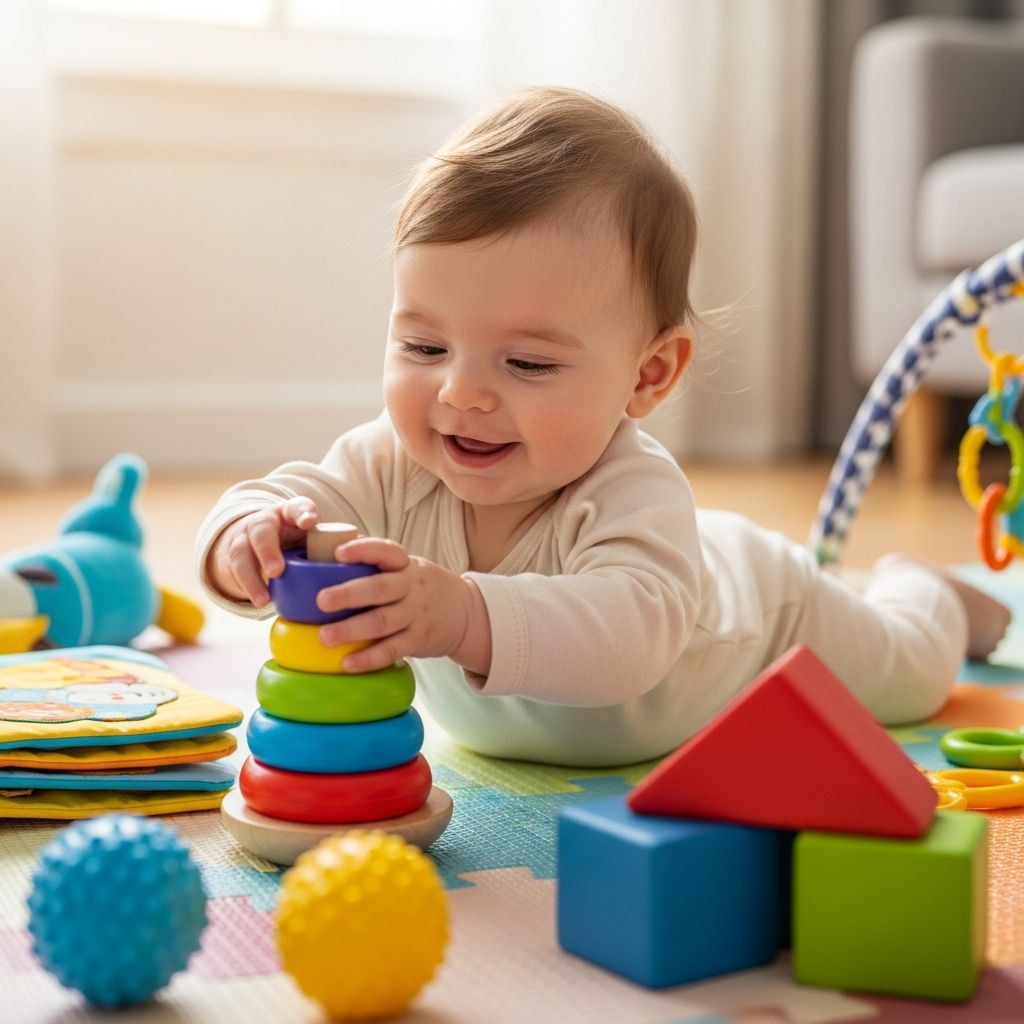
Fine motor advancements shine as 11-month-olds use pincer grasps to pick up tiny objects, bang items together, and experiment with containers, improving dexterity for self-feeding and play. Hands-on activities refine these skills daily.
| Activity | Skills Targeted | Materials Needed |
|---|---|---|
| Pom-Pom Sort | Pincer grasp, in-out manipulation | Pom-poms, muffin tin or boxes |
| Block Bang Symphony | Object coordination, cause-effect | Soft blocks or spoons |
| Spoon Feeding Practice | Scooping, self-feeding | Yogurt, baby spoon |
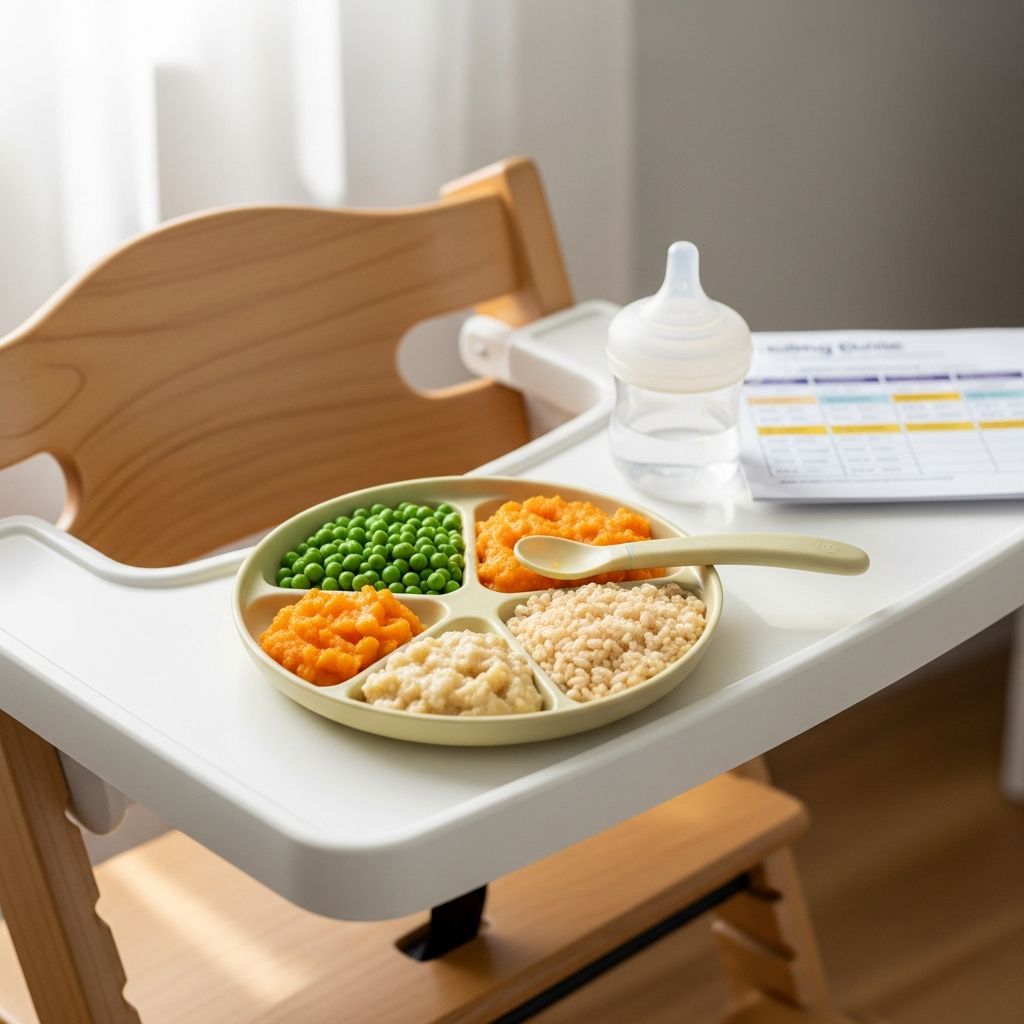
Start with Pom-Pom Sort by filling a muffin tin with colorful pom-poms; watch your baby pluck them out and transfer between sections, delighting in the textures and sounds. Progress to Block Bang Symphony, where banging wooden spoons on pots creates rhythmic noise, teaching intentional action and release. For mealtime, offer thick purees on a tray with a spoon, letting messy attempts build toward finger foods and cup sipping.
Sensory Adventures to Spark Curiosity
Sensory play captivates 11-month-olds, who shake, drop, and poke objects to understand properties like texture and sound, laying groundwork for cognitive cause-and-effect learning. Safe, varied sensations stimulate brain development.
- Texture Treasure Hunt: Fill a bin with safe items like rice, oats, or fabric scraps. Let your baby dig, pour, and grasp, exploring soft versus crunchy feels to heighten tactile awareness.
- Water Splash Station: In a high chair or shallow tub, provide cups, sponges, and floating toys for splashing. This encourages pouring and grasping while cooling off on warm days.
- Mirror Magic Moments: Place a large mirror on the floor; babies love peering at reflections, waving, and mimicking expressions, boosting self-recognition and social cues.
These align with milestones like turning objects to inspect and responding to emotions, enhancing sensory processing vital for later problem-solving.
Language Builders: Chatty Interactions
By 11 months, babies gesture with points, waves, and nods, often uttering first words like ‘mama’ or ‘dada’ amid babbling, understanding simple instructions. Conversational play expands vocabulary and bonding.
- Song and Sign Circle: Sing nursery rhymes while signing actions like ‘more’ or ‘all done.’ Babies mimic gestures, linking sounds to meanings.
- Picture Point Parade: Flip through board books, naming animals and objects. Point and wait for their gesture or sound response, building word association.
- Peekaboo Dialogues: Hide behind hands or scarves, emerging with silly voices. This teaches object permanence and turn-taking in communication.
Responding to ‘no’ or simple commands emerges here, so narrate actions throughout play to enrich language exposure.
Daily Routines Turned Playtime
Integrate learning into routines: During diaper changes, offer toys for reaching; bath time becomes a splash science lab; meals practice self-feeding with cut-up fruits. This seamless approach maximizes development without extra time.
Customizing Play for Your Baby
Every 11-month-old progresses uniquely—some walk early, others perfect crawling. Tailor activities to interests: active babies love obstacle courses, thoughtful ones sorting games. Track milestones like sitting unsupported or pincer grasp; consult pediatricians if delays appear, such as no crawling or eye contact.
Frequently Asked Questions
How much playtime does an 11-month-old need daily?
Aim for 2-3 hours of active play spread throughout the day, mixed with naps and feeds, to support energy levels and growth.
What if my baby isn’t walking yet?
Normal range is 10-18 months; focus on encouraged movement without pressure.
Are screen times okay at this age?
Limit to under 1 hour of high-quality interactive content; prioritize hands-on play.
How to handle picky eating during play?
Involve in ‘helping’ prep by handing ingredients, making meals exploratory fun.
When to worry about development?
Red flags include no babbling, crawling, or response to name by 12 months—discuss with a doctor.
Safe Play Spaces and Tips
Create baby-proof zones with soft mats, gate off hazards, and supervise water play. Rotate toys weekly to maintain novelty, preventing overstimulation. Outdoor time in parks builds varied motor challenges.
Word count: 1678 (excluding HTML tags and metadata).
References
- 11 month old baby milestones: Development, growth, speech… — Huckleberry Care. 2023. https://huckleberrycare.com/blog/11-month-old-baby-milestones-development-growth-speech-language-and-more
- Developmental Milestones: 10-12 Month Baby — CHOC Children’s. 2024. https://choc.org/ages-stages/10-to-12-months/
- Baby development at 11-12 months — Raising Children Network (Australian Government-funded). 2025-01-15. https://raisingchildren.net.au/babies/development/development-tracker-3-12-months/11-12-months
- Infant development: Milestones from 10 to 12 months — Mayo Clinic. 2024-06-10. https://www.mayoclinic.org/healthy-lifestyle/infant-and-toddler-health/in-depth/infant-development/art-20047380
- Developmental Milestones for Babies (6-12 months) — Coral Care. 2024. https://www.joincoralcare.com/developmental-guides/milestones-6-12-months-babies
- Milestones by 1 Year | Learn the Signs. Act Early. — Centers for Disease Control and Prevention (CDC). 2025. https://www.cdc.gov/act-early/milestones/1-year.html