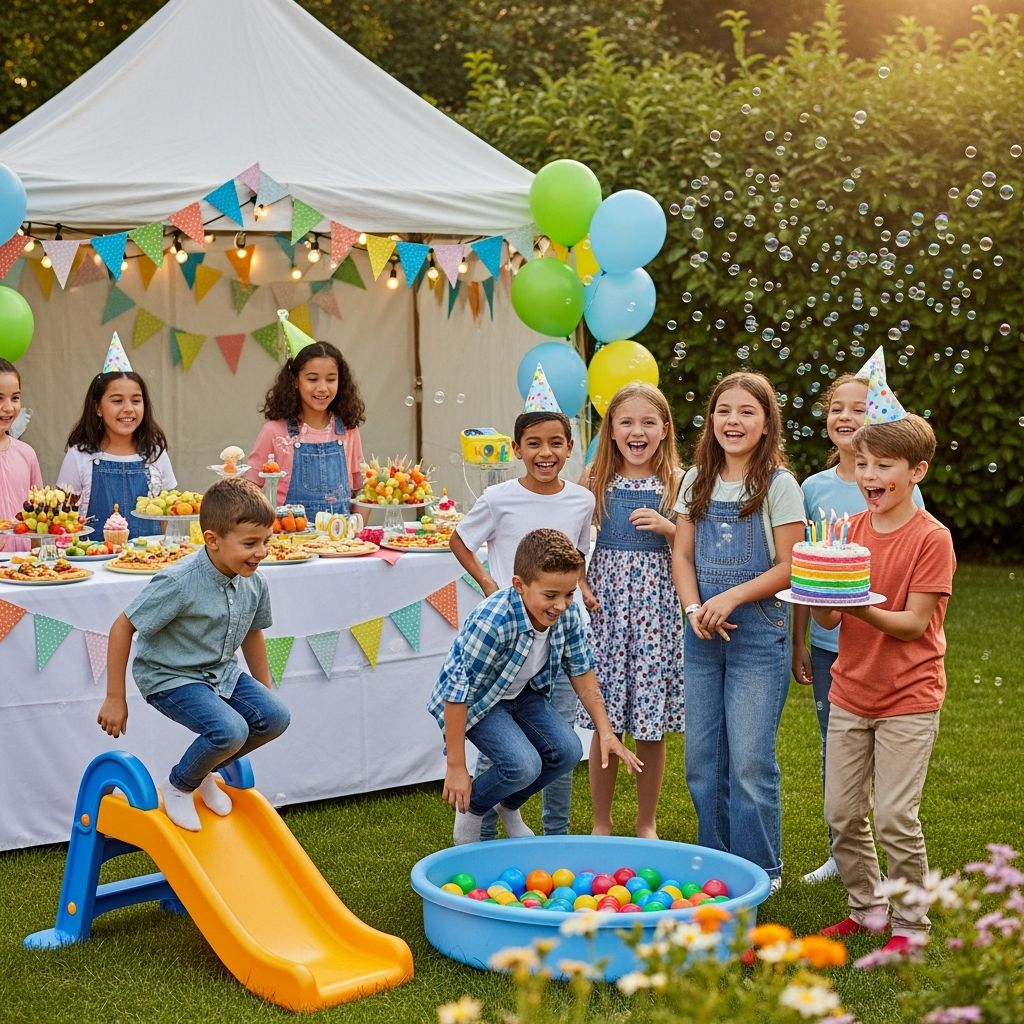
Turning ten is a huge milestone. Kids are old enough to have strong opinions, real hobbies, and close friends, but they still love playful, imaginative fun. This guide walks you through fresh, practical, and exciting 10th birthday ideas so you can plan a celebration your child will remember for years.
Understanding 10-Year-Olds: What Makes a Great Party?
Before picking a theme or booking a venue, it helps to think about how most 10-year-olds are changing and what that means for party planning.
- More independence: Many kids this age want some autonomy to choose activities, decorate, or help plan the guest list.
- Stronger friendships: Social time with peers is often the highlight—they care more about hanging out with friends than about big decorations.
- Growing skills: They can handle more complex games, strategy-based challenges, and creative projects that take longer to complete.
- Still playful: Even with a “tween” label, most 10-year-olds still enjoy silly fun, make-believe, and classic party games when they feel socially safe.
When you combine these factors—independence, friendships, skills, and playfulness—you can choose a celebration style that fits your child’s personality instead of forcing a one-size-fits-all party.
Step-by-Step Planning: From Idea to Party Day
Use this simple roadmap to turn your ideas into a stress-free celebration.
- Start with your child: Ask them to name three things they really want (for example: a specific activity, certain friends, or a favorite food). Build from there.
- Set a budget: Decide your total spending limit, then break it into rough categories like venue, food, entertainment, and favors.
- Choose date, time, and length: For this age, 2–3 hours is usually enough for a daytime party; sleepovers or campouts can go longer but need more structure.
- Pick a theme or focus: A theme guides decorations, games, and invites, but doesn’t have to be complicated—“Backyard Sports Day” is a theme.
- Plan 3–5 core activities: Mix active games, calmer moments, and one “main event” (like a special game, show, or experience).
- Decide food and cake: Keep food simple and familiar, and always check for allergies among guests.
- Prepare for safety: Confirm adult supervision, know who is responsible for first aid, and collect emergency contacts for drop-off parties.
Theme Ideas Tweens Won’t Call “Babyish”
The right theme should feel fun but not childish. Here are flexible ideas you can adapt to any budget or space.
1. Adventure & Challenge Themes
- Backyard Adventure Quest: Turn your yard or home into a mission zone with clue cards, maps, and simple codes to crack. End with a small “treasure” for everyone instead of one winner.
- Spy or Detective Party: Give kids DIY badges, assign them to teams, and have them solve age-appropriate puzzles or find hidden “evidence” around the house.
- Outdoor Obstacle Challenge: Use cones, ropes, chalk lines, and household items to build a relay course. Time teams, but keep the focus on cheering and teamwork rather than intense competition.
2. Creative & Maker Themes
- DIY Creation Studio: Set up stations: one for painting canvas boards, one for designing tote bags or caps with fabric markers, and one for making beaded keychains.
- Build & Design Lab: Use building bricks, cardboard, tape, and recyclables to challenge guests to create bridges, marble runs, or tiny “cities.” Introduce simple design rules and then let them experiment.
- Baking & Decorating Workshop: Pre-bake cupcakes or cookies. Kids decorate them with icing, sprinkles, and fruit. This doubles as an activity and dessert.
3. Gaming & Tech Themes
- Board Game Tournament: Offer a mix of strategy, party, and cooperative games. Let the birthday child help pick the lineup and rotate tables every 20–30 minutes.
- Video Game Lounge: Create a calm screen-based party with multiplayer games, comfortable seating, and a rotation schedule so everyone gets turns.
- Trivia & Quiz Night: Use your child’s favorite topics (movies, sports, space, animals) to write question rounds, and award small prizes to all teams.
4. Active & Sports Themes
- Mini Olympics: Choose short events such as relay races, beanbag toss, penalty shootouts, or hula-hoop contests. Emphasize team spirit with handmade medals for all.
- Backyard Sports Mix: Set up simple zones for soccer shots, basketball or bucket-throw challenges, and a soft ball toss area for guests who prefer a slower pace.
- Skate, Bike, or Scooter Meet-Up: If your area allows, gather at a safe park with helmets required. Bring cones to mark out tracks or trick zones.
5. Chill Hangout & Slumber Themes
- Backyard Camp Night: Use tents or a cozy indoor fort. Add flashlights, age-appropriate stories, and stargazing if the sky is clear. Safe outdoor fires should always follow local safety guidelines and be closely supervised.
- Movie Lounge: Set up floor cushions, dim lights, and a snack bar. Let the birthday child choose two movie options and have guests vote.
- DIY Spa Afternoon: Offer nail polish, simple face masks safe for kids’ skin, relaxing music, and a quiet corner to read or chat.
Indoor vs. Outdoor Parties: Choosing the Right Setting
Where you host the party will shape your schedule, safety plan, and backup options. Use this quick comparison to decide what fits best.
| Option | Best For | Pros | Considerations |
|---|---|---|---|
| Home Indoors | Small to medium groups, creative projects, movie or game nights | Budget-friendly, flexible schedule, easy access to kitchen and bathrooms | Space limits; may need to protect furniture and fragile items |
| Backyard / Local Park | Active games, sports, scavenger hunts | Room to run, less noise stress, easy for messy activities | Weather risks; may need permits or reservations for public spaces |
| Rented Venue | Larger groups, trampoline parks, climbing gyms, or pools | Professional supervision, built-in activities, less cleanup at home | Higher cost; must follow venue rules and time limits |
Fun Activity Ideas That Keep Everyone Engaged
Ten-year-olds are more likely to stay happy and cooperative when there is a clear flow to the party. Consider this basic structure:
- Arrival and icebreaker game
- First main activity (active or creative)
- Snack or food break
- Second main activity or free-choice time
- Cake, singing, and gifts (if opened during the party)
- Calmer activity while parents arrive for pickup
Easy Icebreakers
- Name & Favorite Thing Circle: Each guest shares their name plus something related to the theme (favorite animal, game, or snack). Keep it quick.
- Human Bingo: Give cards with prompts like “has a sibling,” “likes soccer,” or “plays an instrument.” Kids walk around, looking for classmates who match each square.
High-Energy Games
- Team Relay Mix: Combine funny challenges—hopping with a balloon between knees, balancing a spoon, or carrying a soft toy on your head.
- Glow Dance Party: In a darkened room or at dusk outdoors, hand out glow sticks and play music. Pause the music for freeze-dance moments.
- Seek-and-Find Challenge: Hide small, identical items around a defined area and give kids a time limit to find as many as they can.
Calm-Down & Closing Activities
- Coloring or Doodling Table: Provide themed coloring sheets or blank paper, markers, and stickers.
- Story or Memory Circle: Ask each guest to share a favorite memory with the birthday child or something they appreciate about them.
- Photo Booth Corner: Set up a simple backdrop with props and let kids take turns posing for pictures.
Food, Cake, and Allergy-Safe Choices
Food doesn’t need to be fancy to be memorable. Aim for options that are easy to serve and eat while playing.
Simple Main Options
- Mini sandwiches or wraps cut into halves or quarters
- Build-your-own taco, mini pizza, or sandwich bar
- Oven-baked fries or veggie sticks with dips
Snacks & Drinks
- Fruit skewers, sliced apples, or grapes (cut appropriately to reduce choking risk for younger siblings who may attend)
- Popcorn in individual cups
- Water as the main drink, with a limited amount of juice or flavored seltzer
Allergy & Safety Considerations
- Ask parents about food allergies and intolerances on the invitation.
- Label foods clearly, especially items containing common allergens like nuts, eggs, or dairy.
- Keep emergency contact information and any relevant medication (such as an epinephrine auto-injector) accessible if a parent provides it.
Party Favors That Don’t Get Thrown Away
At ten, kids appreciate favors they can really use rather than random trinkets. Consider:
- Something they created: Art projects, decorated tote bags, baked goods they helped make.
- Reusable items: Water bottles, mini notebooks, or fun pens that fit your theme.
- Experience reminders: Small photo prints from your photo booth, with a simple “Thanks for celebrating!” note.
Involving Your Child in the Planning
Letting your child help organize their own party can be empowering and teaches basic planning skills.
- Invite them to choose between a few themes that work for your budget.
- Have them help design invitations or write a short message.
- Ask which games or activities matter most to them so you can prioritize time and money there.
- Let them help assemble favor bags or prep simple decorations.
Research suggests children benefit from making meaningful choices and participating in decisions that affect them, as long as adults set safe and reasonable boundaries.
Budget-Friendly Ways to Make a 10th Birthday Special
You do not need an expensive venue or elaborate entertainment for a memorable party. Focus on thoughtful touches instead of big price tags.
- Limit the guest list: A smaller group costs less and often leads to deeper connections and calmer dynamics.
- Borrow instead of buy: Ask friends or relatives for extra seating, yard games, or a portable speaker.
- DIY decorations: Use printed photos, hand-drawn signs, paper chains, and balloons in two main colors rather than lots of themed items.
- Swap a big favor bag for one meaningful item: A single book, game, or craft kit can be more appreciated than multiple small toys.
- Co-host with another family: If two kids have birthdays close together and share friends, consider a joint party where you split costs and tasks.
Frequently Asked Questions About 10th Birthdays
Q: How many guests should we invite to a 10th birthday party?
A: Many families invite the number of guests roughly equal to the child’s age (around 8–12 kids), but it depends on your space, budget, and your child’s comfort with groups. Smaller parties can feel more relaxed, while larger ones need more structure and adult help.
Q: How long should a 10th birthday party last?
A: Two to three hours is usually Ideal for most daytime parties at this age. That allows time for arrivals, 2–3 activities, food, and cake without kids becoming too tired or overstimulated. Sleepovers or campouts can go longer but benefit from a clear schedule and quiet wind-down plan.
Q: Do 10-year-olds still enjoy traditional party games?
A: Many do, as long as the games are not presented as “little kid” activities. Updating classics with fun twists, team play, or light competition helps them feel more grown up while keeping the familiar structure.
Q: Should we open gifts during the party or afterward?
A: This is a personal choice. Opening gifts during the party can be exciting but may lead to awkward moments if there are duplicates or comparisons. Some families prefer opening presents later with just the immediate family so the birthday child can take their time and send thoughtful thank-you messages.
Q: How can we support shy or anxious kids at the party?
A: Include a few low-pressure activities like drawing, reading, or simple crafts for kids who need a break from the crowd. Pair shy guests with kind, familiar friends when possible, and avoid games that single out one child for teasing or embarrassment.
References
- Helping Children Cope With Emergencies — Centers for Disease Control and Prevention (CDC). 2022-01-18. https://www.cdc.gov/mental-health/emergencies/children-coping-strategies.html
- Emergency Preparedness for Children — Ready.gov, U.S. Department of Homeland Security. 2023-05-10. https://www.ready.gov/kids
- Campfire Safety — U.S. Forest Service. 2021-07-09. https://www.fs.usda.gov/visit/know-before-you-go/campfire-safety
- Food Allergies — Mayo Clinic. 2023-03-04. https://www.mayoclinic.org/diseases-conditions/food-allergy/symptoms-causes/syc-20355095
- Children’s Decision-Making: A Review of Psychological Research — University of Cambridge Faculty of Education. 2020-11-02. https://www.educ.cam.ac.uk/research/programmes/decisionmaking/