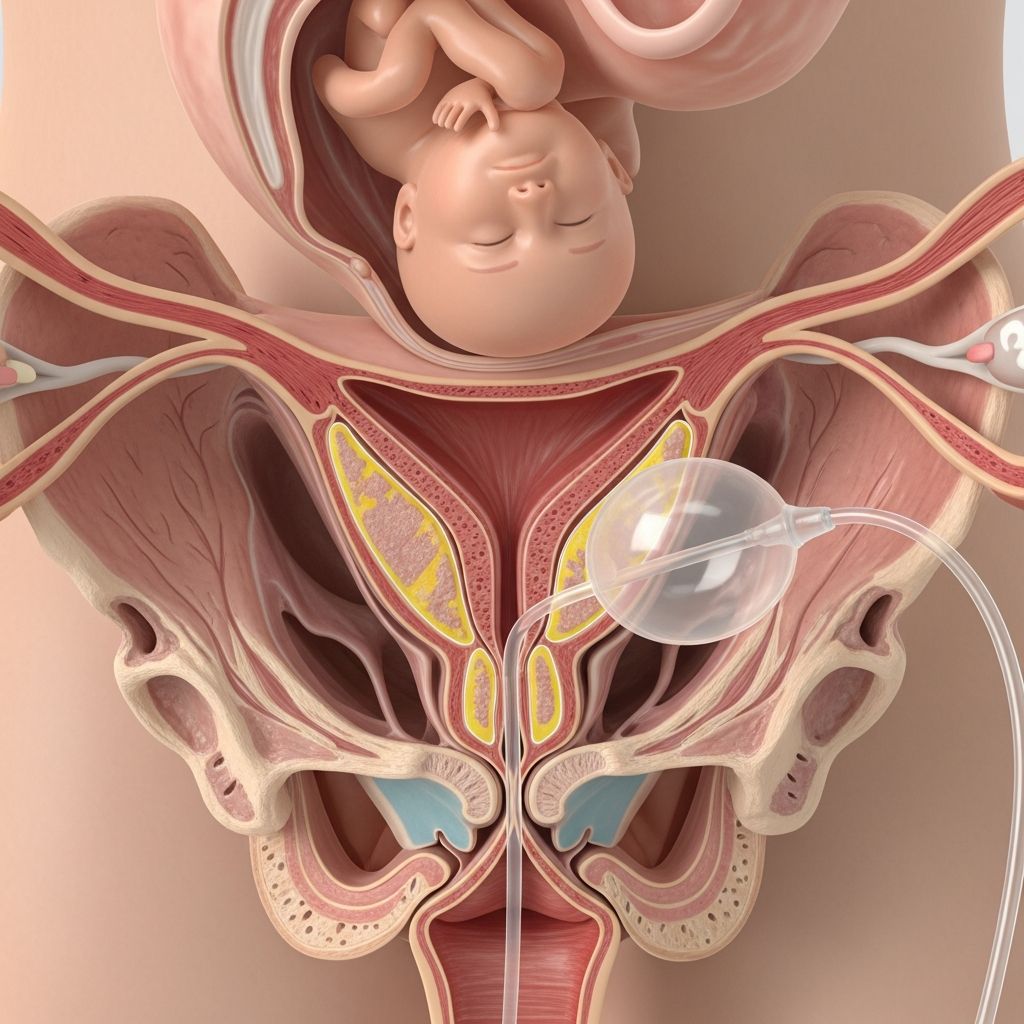
By the 10th week of pregnancy, your baby transitions from embryo to fetus, marking significant developmental leaps. Measuring about the size of a strawberry at 1.3 inches (3.2 cm) long and weighing around 1.2 ounces (35 grams), the fetus shows distinct human features while your body adapts to support this growth.
Fetal Milestones: What Happens at 10 Weeks
The 10-week mark brings exciting changes as all major organs form and begin functioning together. The tadpole-like tail has vanished, replaced by fully forming limbs with defined joints.
- Head and Face: The head remains large, but the face gains recognizable traits. Jawbones develop, housing buds for milk teeth, while eyes (half-closed) react to light, ears form, and nostrils appear with a delicate upper lip.
- Limbs and Digits: Arms and legs elongate with wrists, ankles, elbows, and knees taking shape. Fingers and toes separate fully, and tiny nails start growing.
- Internal Organs: The four-chambered heart beats at 150-180 beats per minute—three times an adult’s rate. Brain waves are detectable, and organs like the liver, kidneys, and digestive system mature.
- Movements: Jerky motions occur, visible on ultrasound but not yet felt by you.
- Sex Organs: Internal reproductive organs (ovaries or testicles) form, though external genitals are not yet distinct.
This growth spurt positions the fetus for further specialization in the coming weeks.
Maternal Body Transformations During Week 10
Your uterus expands to orange size, causing bloating, tighter clothes, and a slight belly pooch—sometimes mistaken for bowel changes due to progesterone slowing digestion.
| Symptom | Description | Management Tips |
|---|---|---|
| Nausea/Morning Sickness | Peaks in first trimester; may ease now for some. | Eat small, frequent meals; ginger tea; avoid triggers. |
| Fatigue | Extreme tiredness from hormone surges. | Prioritize rest; short naps; light walks. |
| Breast Tenderness | Soreness and growth as milk ducts prepare. | Supportive bras; warm compresses. |
| Constipation/Heartburn | Progesterone relaxes gut muscles. | Fiber-rich foods; hydration; walk daily. |
| Mood Swings | Hormonal fluctuations affect emotions. | Mindfulness; talk to partner or doctor. |
Other signs include heightened smell, metallic taste, headaches, dizziness, and increased vaginal discharge—all normal but report severe cases to your provider.
Prenatal Checkups and Screenings at 10 Weeks
Week 10 often aligns with key appointments. Expect to hear the heartbeat via Doppler—around 150-180 bpm. Discuss combined first-trimester screening for chromosomal risks, including nuchal translucency ultrasound measuring neck fluid.
- Weight and Blood Pressure: Track early gain (1-5 lbs total first trimester).
- Urine/Blood Tests: Check for anemia, infections, hCG levels.
- Ultrasound: Confirms viability, measures crown-rump length accurately.
Schedule if not done; early detection aids interventions.
Nutrition Essentials for Optimal Fetal Development
Fuel rapid growth with balanced intake. Aim for 300 extra daily calories from nutrient-dense foods.
- Folate: Prevents neural tube defects; leafy greens, fortified cereals.
- Iron: Supports blood volume; lean meats, beans.
- Calcium: Bone formation; dairy, almonds.
- Protein: Tissue building; eggs, nuts, fish (low-mercury).
- DHA: Brain/eye health; fatty fish, walnuts.
Hydrate (10+ glasses water daily) to combat constipation. Limit caffeine to 200mg; avoid alcohol, raw foods.
Exercise and Lifestyle Adjustments
Stay active with 30 minutes moderate exercise most days—walking, swimming, prenatal yoga—to ease nausea, boost mood, and prepare for labor.
- Avoid high-impact sports, contact activities.
- Listen to body; stop if dizzy or pained.
- Pelvic floor exercises (Kegels) strengthen for delivery.
Sleep 7-9 hours nightly; elevate head for heartburn. Manage stress via meditation or journaling.
Common Concerns and When to Seek Help
Spotting can occur but consult for heavy bleeding, severe cramps, or persistent vomiting. Mental health matters—1 in 10 experience prenatal anxiety; seek support early.
Preparing for the Journey Ahead
Journal symptoms, research doulas, or join classes. Partner involvement fosters bonding.
Frequently Asked Questions
Can I feel the baby move at 10 weeks?
No, movements are too small; first flutters come at 16-25 weeks.
Is morning sickness ending?
It may lessen post-week 12 for many, but varies.
How much weight should I gain?
2-4 lbs first trimester; consult BMI-specific guidelines.
Is it safe to travel?
Yes, with precautions; avoid long flights post-36 weeks.
What if I haven’t had an ultrasound?
Book soon for reassurance and dating.
References
- Pregnancy at week 10 — Pregnancy Birth & Baby. 2023. https://www.pregnancybirthbaby.org.au/pregnancy-at-week-10
- 10 Weeks Pregnant: Your Body & Baby — Nemours KidsHealth. 2024-01-16. https://kidshealth.org/en/parents/week10.html
- Weeks 9 & 10 of Pregnancy: A Closer Look — Amnion Pregnancy Center. 2023. https://amnionpregnancycenter.com/weeks-9-10-of-pregnancy-a-closer-look-at-early-development/
- Pregnancy Week by Week — March of Dimes. 2025-06-01. https://www.marchofdimes.org/pregnancy-week-week
- 10 weeks pregnant guide — NHS Best Start in Life. 2024. https://www.nhs.uk/best-start-in-life/pregnancy/week-by-week-guide-to-pregnancy/1st-trimester/week-10/