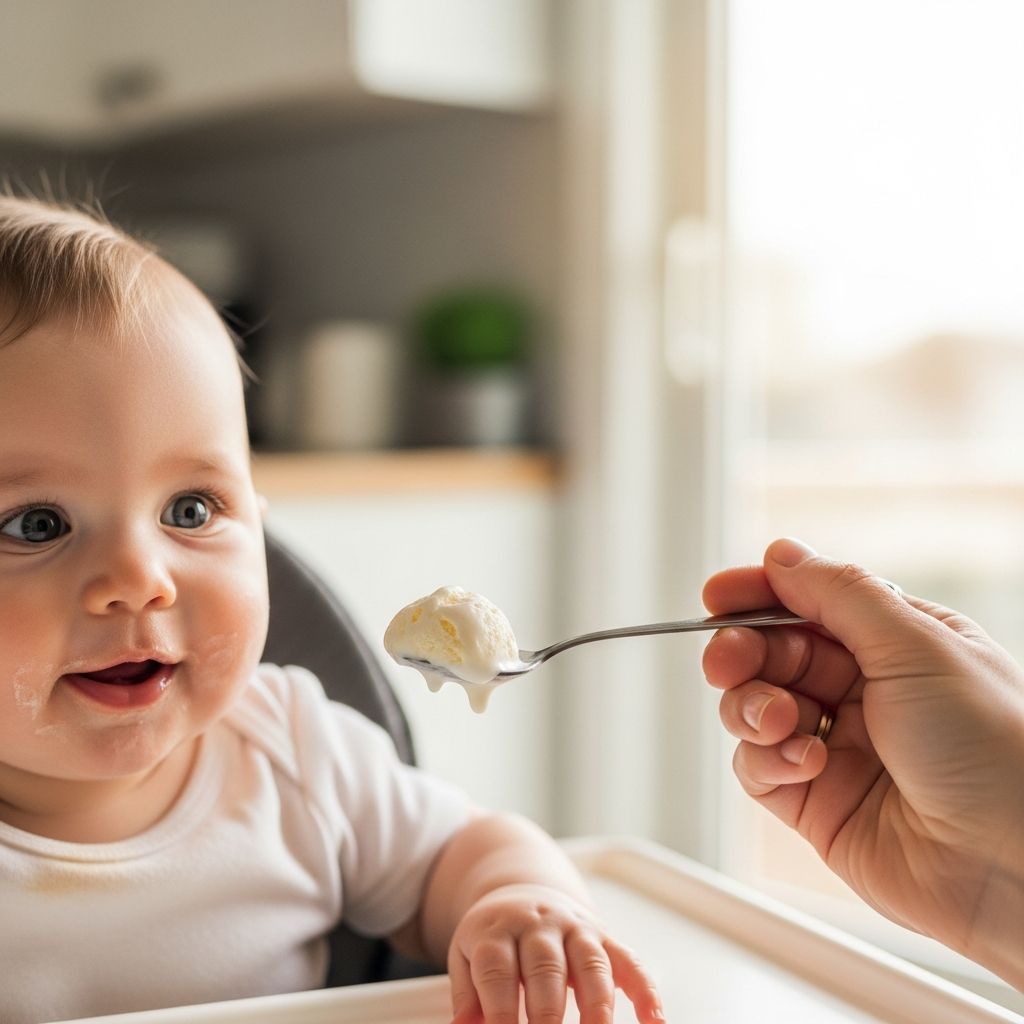
Your 10-week-old infant is entering an exciting phase of rapid development, marked by increased awareness, stronger muscles, and budding social connections. At this age, babies typically measure around 21 to 23 inches long and weigh between 10 to 14 pounds, with steady gains of about 1 inch in length and up to 2 pounds monthly. These changes reflect a healthy progression in physical, cognitive, and emotional realms, supported by consistent nutrition and stimulation.
Physical Transformations and Size Updates
By 10 weeks, your baby’s body is growing steadily, with head circumference expanding by approximately 2 centimeters this month to accommodate a developing brain. Length increases support better proportion, while weight gain ensures energy for new skills. Boys and girls follow similar trajectories, though individual variations exist based on genetics and feeding.
| Milestone | Average at 10 Weeks | Source |
|---|---|---|
| Length | 21-23 inches | |
| Weight Gain (Monthly) | Up to 2 pounds | |
| Head Circumference Growth | ~2 cm |
These metrics align with CDC guidelines for the 2-month checkup, where most infants fall within the 50th percentile ranges.
Mastering Motor Abilities
Gross motor skills advance noticeably, as babies strengthen large muscle groups. During tummy time, expect your little one to lift their head to a 45-degree angle, push up on forearms, and briefly hold steady. Leg kicking becomes more vigorous, and when held upright, they may bear partial weight on their legs for moments.
Fine motor progress includes opening hands briefly, bringing them to the mouth, and grasping objects placed in their palm. Hands often clasp together, fostering self-discovery. These skills build coordination, preparing for rolling over around 3-4 months.
- Holds head steady when supported upright.
- Pushes up on elbows during prone play.
- Moves arms and legs smoothly.
- Reaches for nearby items like toys or faces.
Incorporate 15-30 minutes of daily tummy time, split into short sessions, using mirrors or toys to encourage lifting.
Social and Emotional Bonds
Social smiles emerge as a hallmark, with babies grinning spontaneously at familiar faces and voices. They calm when picked up, look intently at caregivers, and seem delighted by your presence. These interactions lay the foundation for secure attachment.
Emotional regulation improves; cries communicate needs like hunger, while coos and gurgles express contentment. Respond promptly to build trust and encourage reciprocal communication.
Communication Breakthroughs
Vocalizations expand beyond cries to include cooing (vowel-like ‘ooohs’ and ‘aaahs’), raspberries, and sound imitation. Babies turn toward voices, open their mouth at feeding sights, and engage in ‘conversations’ by responding to your sounds.
Listen for these cues: increased drooling is normal (not teething yet), and fist-sucking signals hunger. Singing, reading, and peekaboo enhance language exposure.
- Smiles responsively to faces.
- Cooing and turning to sounds.
- Begins imitating noises.
- Shows hunger by rooting or mouthing hands.
Cognitive Awakening
Babies now process patterns, recognize faces, and track objects with improving vision (up to 12 inches clearly). Hand regard—staring at their own fingers—sparks curiosity about self and surroundings. Simple sensory play with crinkly papers or shiny surfaces stimulates learning without fancy toys.
Problem-solving hints appear, like persistent reaching after dropped items. Daily routines reinforce cause-effect understanding.
Optimizing Sleep Patterns
Total sleep needs hover at 14-17 hours daily, including 3 naps and longer night stretches up to 5-6 hours. Patterns regularize, though night wakings persist for feeds. Swaddling may end as rolling attempts begin for safety.
Establish cues like dim lights and white noise. Avoid screens; prioritize consistent bedtime routines to promote self-soothing.
Feeding Dynamics and Nutrition
Breastfed or formula-fed babies consume 24-32 ounces daily in 8-12 sessions. Hunger signs include rooting, hand-to-mouth, and lip smacking. Cluster feeding may occur during growth spurts.
Burp frequently to reduce spit-up, and watch for satiety cues like slowing sucks. Consult pediatricians for weight checks.
Daily Stimulation Strategies
Support milestones with targeted activities:
- Tummy Time: Place on a firm surface with toys ahead to motivate head lifts.
- Grasp Play: Offer rattles or soft rings for hand control.
- Sensory Exploration: Use high-contrast cards, gentle music, and face time.
- Reading Sessions: Board books with textures aid focus and bonding.
- Upright Holds: Encourage leg-bearing post-nap.
Aim for responsive, not overstimulation—follow baby’s lead.
Health Monitoring Essentials
Track CDC red flags: no social smiles, poor head control, or non-responsiveness to sounds by 2 months. Vaccinations like DTaP and rotavirus occur around now; attend well-baby visits.
Safe sleep: back-only, firm crib, no loose bedding. Limit walkers; prioritize supervised floor time.
Frequently Asked Questions
Is my 10-week-old on track if not rolling yet?
Yes, consistent rolling starts at 3-4 months. Focus on tummy time to build strength.
How much tummy time is ideal?
15-30 minutes total daily, in short bursts to prevent fatigue.
Why the excessive drooling?
Salivary glands activate; teething is later (4-6 months).
Should I stop swaddling?
Yes, if rolling signs appear, for safety.
What if sleep regressions hit?
Maintain routines; growth spurts cause temporary disruptions.
Long-Term Developmental Outlook
These weeks bridge newborn reflexes to purposeful actions. Consistent stimulation predicts success in sitting (4-6 months) and crawling (7-10 months). Parental involvement is key—talk, touch, and play daily.
Variations are normal; consult professionals if concerned. Celebrate small wins; your engagement fuels growth.
References
- 10-Week-Old Baby Milestones — Happiest Baby. 2023. https://www.happiestbaby.com/blogs/baby/10-week-old-baby
- 10-Week-Old Baby: Milestones, Development & What to Know — The Bump. 2023. https://www.thebump.com/baby-month-by-month/10-week-old-baby
- 2 Month Old Baby Milestones: Development, Growth, Speech, Language — Huckleberry. 2023. https://huckleberrycare.com/blog/2-month-old-baby-milestones-development
- Newborn Baby Care: 10 Week Old Baby — Huggies US. 2023. https://www.huggies.com/en-us/resources/newborns-and-infants/baby-care/10-week-old-baby
- Infant Development: Birth to 3 Months — Mayo Clinic. 2024-10-01. https://www.mayoclinic.org/healthy-lifestyle/infant-and-toddler-health/in-depth/infant-development/art-20048012
- Milestones by 2 Months — Centers for Disease Control and Prevention (CDC). 2024. https://www.cdc.gov/act-early/milestones/2-months.html
- Baby Developmental Milestones By Month — Cleveland Clinic. 2023. https://my.clevelandclinic.org/health/articles/22063-baby-development-milestones-safety