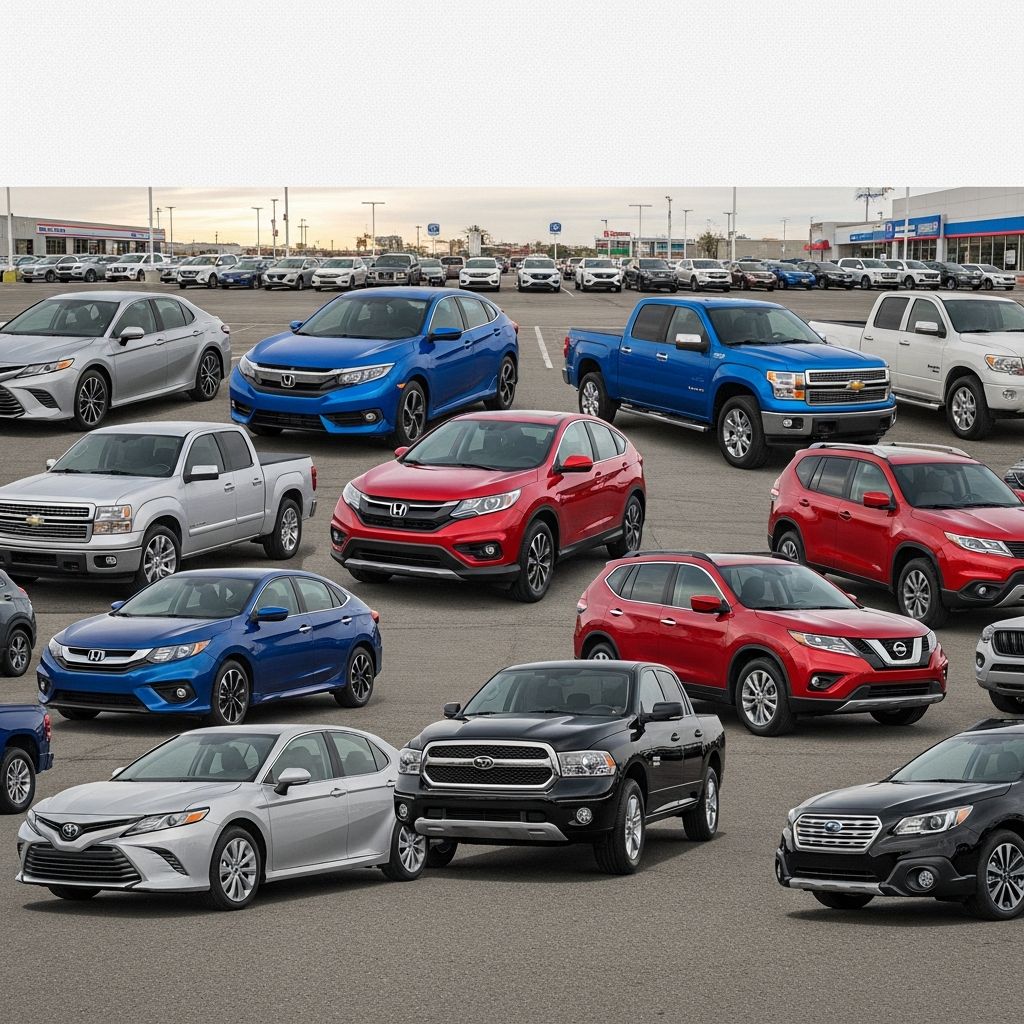
Shopping for a used car in the United States can feel overwhelming: prices swing widely, model names sound similar, and every ad claims to be a “great deal.” Yet when you look at what people actually buy, a handful of models dominate the used market. Those vehicles appear again and again on dealer lots, classifieds, and driveway photos because they solve real-world problems for families, commuters, and workers.
This article explores 10 of the most sought-after used vehicles in America—covering sedans, SUVs, and trucks—and explains why they’re so popular, what kinds of drivers they suit best, and what to check before you buy.
Why Certain Used Cars Stay in High Demand
Not every car turns into a used-car favorite. Some fade quickly as owners discover expensive repair issues or disappointing fuel economy, while others build a reputation for being practical, reliable, and easy to live with for a decade or more. Those reputation-builders become the backbone of the used market.
In general, the most popular used vehicles tend to share a core set of traits that matter to everyday drivers more than flashy styling or bleeding-edge tech.
Common Traits of Popular Used Models
- Strong reliability track record: Models known for lasting well past 100,000 miles with routine maintenance naturally attract repeat buyers.
- Affordable parts and repairs: Widely sold vehicles benefit from abundant parts, independent mechanics who know them well, and reasonable repair bills.
- Good fuel economy for the class: Whether it’s a compact sedan or a full-size truck, buyers look for a reasonable balance between power and gas costs.
- Everyday practicality: Fold-flat rear seats, wide-opening doors, and ample trunk or cargo space matter more than exotic features.
- Strong resale value: The same qualities that made the car desirable when new—brand reputation, safety ratings, comfort—keep demand high years later.
Overview Table: 10 In-Demand Used Vehicles
The table below groups 10 widely loved used models by type, highlighting what they’re best at so you can quickly spot which category fits your life.
| Model Type | Example Models | Best For | Key Strengths |
|---|---|---|---|
| Compact commuter sedan | Toyota Corolla, Honda Civic | Daily commuting, first-time buyers, students | Excellent fuel economy, low operating costs, easy parking |
| Midsize family sedan | Toyota Camry, Honda Accord | Families needing 5 seats and trunk space | Comfortable ride, safety features, long-term durability |
| Compact crossover SUV | Honda CR-V, Toyota RAV4, Nissan Rogue | Families with kids, light adventuring, pets | Flexible cargo room, available all-wheel drive, car-like driving feel |
| Midsize SUV | Hyundai Tucson, Jeep Cherokee | Small families, road trips, mixed city/highway use | Higher seating position, towing or light off-road capability (on some trims) |
| Full-size pickup truck | Ford F-150, Chevrolet Silverado | Work, trailering, outdoor hobbies | Strong towing/hauling, massive aftermarket support, multiple cab and bed options |
Compact Sedans: Efficient Workhorses for Everyday Driving
Compact sedans remain a cornerstone of the used market because they provide the core essentials of transportation—reliability, efficiency, and safety—without a high purchase price. They are particularly attractive to first-time buyers, young professionals, and households that need an extra car for commuting.
Who a Compact Sedan Fits Best
- Urban and suburban commuters who drive many miles and want to keep fuel costs low.
- Students and new drivers learning in a car that is easy to park and maneuver.
- Buyers who value low insurance premiums and predictable maintenance expenses.
Pros and Cons of Popular Compact Sedans
| Aspect | Typical Benefits | Typical Drawbacks |
|---|---|---|
| Fuel economy | Excellent mileage, especially on highway commutes. | Smaller fuel tanks can mean more frequent fill-ups on long trips. |
| Interior space | Adequate for small families and daily use. | Limited rear legroom and trunk capacity compared with SUVs. |
| Driving experience | Easy to drive, light steering, predictable handling. | Less powerful engines; can feel strained when fully loaded or driving in mountains. |
Key Shopping Tips for Compact Sedans
- Look for documented maintenance such as regular oil changes and transmission service.
- Prioritize models with modern safety aids like stability control and side curtain airbags.
- Test the driving position and visibility; some compact cars have low roofs or thick pillars that affect comfort.
Midsize Sedans: Comfortable All-Rounders for Families
Midsize sedans occupy a sweet spot for many American families. They offer more interior space and comfort than compacts while still delivering respectable fuel economy. These cars often serve as dependable long-term family vehicles, running school-dropoff duty during the week and road-trip duty on the weekend.
Everyday Advantages of a Midsize Sedan
- Roomier cabins: Taller adults can sit comfortably in both front and rear seats, even on long drives.
- Larger trunks: Strollers, sports gear, and luggage fit more easily compared with compact models.
- Refined ride quality: Longer wheelbases and better sound insulation mean a calmer highway experience.
What to Check Before Buying a Used Midsize Sedan
- Review crash-test scores and the presence of advanced safety tech such as automatic emergency braking and lane-keeping assistance in newer model years.
- Inspect tires for uneven wear that can signal alignment, suspension, or accident-repair issues.
- For higher-mileage cars, pay attention to transmission shift quality, as rough or delayed shifts may indicate expensive upcoming work.
Compact Crossovers: The New American Family Default
Compact crossover SUVs have quietly replaced sedans as the default family car in much of the United States. Built on car-like platforms but with taller bodies and hatchback openings, they blend the familiar driving feel of a sedan with the flexibility of an SUV. These models appear on nearly every “popular used” list because they fit so many lifestyles.
Why Compact Crossovers Are So Popular
- Flexible cargo areas: Split-folding rear seats allow you to switch easily between passenger duty and cargo hauling.
- Higher driving position: Many drivers enjoy the elevated view of the road and the feeling of sitting “above” traffic.
- All-weather confidence: Available all-wheel drive helps in rain, snow, and on unpaved roads, which matters in many parts of the country.
Questions to Ask When Considering a Used Crossover
- Has the vehicle towed frequently or seen heavy off-road use that might stress the drivetrain?
- Are there any signs of water leaks around the rear hatch, roof rails, or sunroof?
- Does the cargo space realistically handle your stroller, sports equipment, pets, or work gear?
Midsize SUVs: Versatility for Growing Families
Midsize SUVs take the crossover formula and stretch it, offering more cabin space, more towing ability, and often optional third-row seating. They attract families who need extra room for kids and gear but do not want to leap all the way to a large truck-based SUV.
Strengths of In-Demand Midsize SUVs
- Comfortable seating for five, with select models adding a compact third row for occasional use.
- Higher towing ratings than compact crossovers, useful for small campers, boats, or utility trailers.
- More powerful engines that handle hills and highway merging with less effort.
Potential Trade-Offs to Keep in Mind
- Fuel economy usually trails compact models and sedans, especially with all-wheel drive.
- Parking can feel more challenging in tight city lots because of increased length and height.
- Some models use complex all-wheel-drive systems that require careful maintenance; skipping fluid changes can lead to costly repairs.
Full-Size Pickup Trucks: Tools for Work and Play
Full-size pickup trucks are consistently among the top-selling vehicles in America, both new and used. On the used market they serve a wide mix of buyers: contractors hauling materials during the week, families using crew-cab trucks as roomy daily drivers, and outdoor enthusiasts towing boats, horse trailers, or campers.
Why Used Trucks Stay in Demand
- Flexible configurations: Multiple cab sizes, bed lengths, and engine options let buyers tailor a truck to their needs.
- High capability: Towing and payload ratings easily eclipse those of SUVs and crossovers.
- Long production runs: Popular truck models often go many years between full redesigns, making parts interchangeability and repairs simpler.
Buying a Used Truck: What to Check
- Inspect the bed and hitch area for signs of heavy use such as dents, rust, or bent components.
- Ask whether the truck has routinely towed at or near its maximum rating; prolonged strain can shorten drivetrain life.
- Look underneath for frame rust, fluid leaks, and aftermarket modifications like lift kits that may affect ride and handling.
How to Decide Which Popular Used Car Is Right for You
Choosing among the market’s favorite used models is less about chasing a specific badge and more about matching vehicle type to your daily reality. Start with your life, not with a model name, and work backward: how many people ride in your car most days, what you haul, where you drive, and how long you plan to keep the vehicle.
Step-by-Step Decision Checklist
- Define your must-haves: List non-negotiables such as seat count, transmission type, cargo needs, and must-have safety features.
- Estimate your real budget: Include tax, registration, insurance, and the cost of bringing the car up to date on maintenance.
- Consider your driving mix: City versus highway, flat versus hilly, and typical annual mileage all affect which engines and body styles make sense.
- Research long-term ownership costs: Look at typical fuel economy, insurance rates, and common maintenance items for the models you like.
- Test-drive several options: Even among similar vehicles, seating position, visibility, and ride feel can vary a lot.
Simple Comparison Table by Lifestyle
| Lifestyle | Best Vehicle Types | Why They Work Well |
|---|---|---|
| Solo commuter or couple in the city | Compact sedan or small crossover | Easy parking, low fuel use, enough space for groceries and weekend bags. |
| Young family with 1–2 kids | Midsize sedan or compact crossover | Comfortable seating and trunk or hatch space for strollers, diaper bags, and gear. |
| Growing family or frequent road-trippers | Midsize SUV | Extra room, higher towing capacity, and more comfortable long-distance travel. |
| Homeowner, contractor, or outdoor enthusiast | Full-size pickup truck | Towing and hauling capability, durability, and flexibility for work and recreation. |
Frequently Asked Questions About Popular Used Cars
1. Do the most popular used cars always cost more?
Popular models often command higher prices than less-known alternatives because demand stays strong even as they age. That does not mean they are bad deals, however; part of their popularity comes from lower repair costs and strong reliability, which can offset the higher purchase price over time.
2. What mileage is too high when buying a popular used car?
There is no universal cutoff, because some vehicles handle high mileage better than others and maintenance history matters greatly. Instead of focusing on mileage alone, consider how the car was driven, whether major services have been completed on time, and whether a trusted mechanic can inspect it before you buy.
3. Is it safer to buy a common model than a rare one?
Common models often have advantages such as widely available parts, ample online owner experiences to research, and many local mechanics who know them well. Rare vehicles can be appealing but may bring higher parts prices and fewer independent shops willing to work on them.
4. How important is a vehicle history report when shopping used?
A history report is not a guarantee, but it is a valuable screening tool for spotting major red flags like salvage titles, odometer rollbacks, and repeated accident repairs. Combine that report with a professional inspection so you understand the car’s true condition, not just its paperwork.
5. Should I avoid a used car just because it was in a minor accident?
A minor, well-repaired accident is not necessarily a deal-breaker. What matters more is the quality of the repair work, whether safety systems such as airbags deployed and were correctly replaced, and whether the car still drives straight and shows even tire wear.
Final Thoughts: Focus on Fit, Not Just Fame
America’s favorite used cars earned their status by delivering practicality, durability, and value over many years, making them sensible starting points for your search. Still, the right car for your neighbor may be the wrong fit for you, even if it tops every popularity chart. Look closely at your everyday needs, budget, and long-term plans, and then use the models outlined here as a curated shortlist rather than a rigid shopping list.
By blending common-sense research, a clear understanding of your lifestyle, and a careful test-drive, you can leverage the wisdom of the crowd—those millions of buyers who made these vehicles popular—while still ending up in a used car that feels like it was chosen just for you.