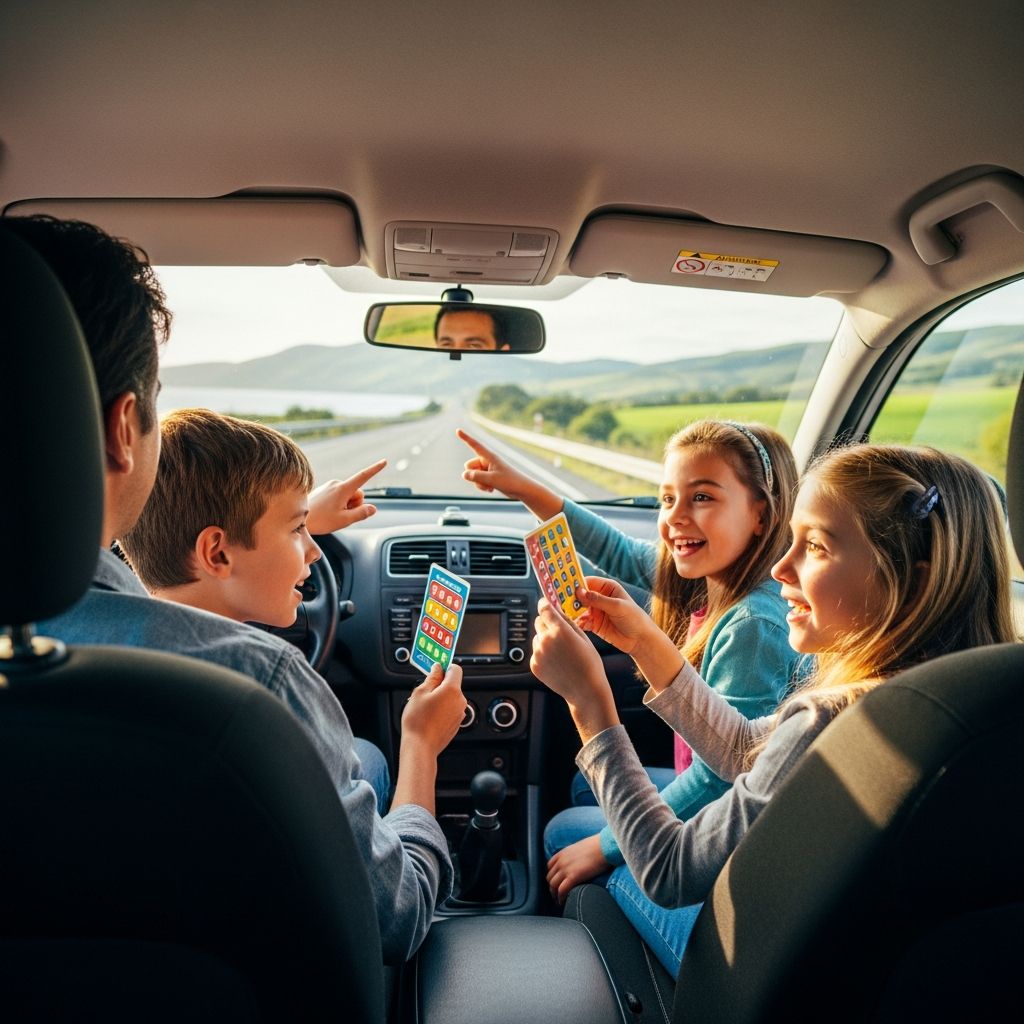
10 Fun and Playful Road Trip Games for Kids
Road trips with children can be one of the most rewarding family experiences, creating lasting memories and bonding opportunities. However, keeping kids entertained during long stretches in the car presents a real challenge for parents. Whether you’re planning a short day trip or a cross-country adventure, having a collection of proven games and activities can transform the driving experience from potentially stressful to genuinely enjoyable for everyone in the vehicle.
The key to a successful road trip with children lies not just in entertainment, but in thoughtful planning that considers your child’s age, attention span, and energy levels. When you combine engaging games with proper breaks, healthy snacks, and flexible scheduling, you create the conditions for a positive travel experience that children will actually look forward to rather than dread.
The Importance of Strategic Planning
Before launching into specific games and activities, it’s worth understanding why planning matters so much for road trips with young passengers. Children’s comfort and engagement directly impact the entire family’s experience. When kids are bored or uncomfortable, that dissatisfaction quickly spreads to parents, creating tension in the vehicle and potentially leading to dangerous driving situations caused by distraction.
Strategic planning involves more than just packing snacks and tablets. It means understanding your child’s natural rhythms, scheduling your drive around their sleep patterns when possible, and building in regular breaks for physical activity and mental refreshment. The combination of these elements with engaging games creates a comprehensive approach to road trip success.
Classic Road Trip Games That Never Fail
I Spy remains one of the most enduring road trip games because it requires no materials, can be adapted to any age level, and keeps children actively engaged with their surroundings. Players take turns selecting something they see and describe it with clues while others guess what it is. This simple game naturally extends drives by encouraging children to observe landscapes, vehicles, signs, and other details they might otherwise ignore.
License Plate Game combines learning with competition, as children track license plates from different states and try to spot them all. This game rewards observation skills and creates natural stopping points when you pull into rest areas or gas stations. Many families create simple charts or download printable versions to track their progress across the trip.
The Alphabet Game challenges players to find letters of the alphabet in order on signs, billboards, and vehicle plates. The first person to reach Z wins. This game keeps young minds sharp while maintaining focus on the outside world rather than constant screen time.
20 Questions transforms into a perfect road trip game where one person thinks of something and the other players ask yes-or-no questions to figure out what it is. This game develops critical thinking skills while providing hours of entertainment, especially when families create themed rounds focused on animals, places, or objects.
Creative and Interactive Entertainment Options
Beyond traditional games, creative activities engage different parts of children’s brains and provide variety that prevents monotony on long drives. Storytelling together stands out as particularly effective, whether you’re building a collaborative narrative where each person adds a sentence, or reminiscing about family memories and vacation stories. This activity strengthens family bonds while requiring zero materials and minimal planning.
Drawing and coloring activities appeal to artistic children and provide a tactile outlet for creative energy. Portable art supplies like crayons, colored pencils, and sketchbooks occupy hands while allowing for self-expression. Some families find that themed coloring books related to the trip destination (like animals found in the region or historical landmarks) add educational value to the activity.
Word games and tongue twisters challenge the mind while entertaining the entire family. Reciting tongue twisters as a group often results in laughter and friendly competition about who can say them fastest or most correctly. These games require nothing but voices and creativity, making them ideal for any situation in the car.
The Quiet Game might seem counterintuitive, but it actually gives children a defined way to rest their minds and often results in genuine quiet time rather than constant stimulation and potential conflict. Setting a timer and making it a friendly competition rather than punishment transforms what could be seen as discipline into just another engaging activity.
Technology-Based Entertainment Solutions
While screen time shouldn’t dominate road trips, strategic use of technology can provide valuable relief during the longest stretches of driving. Many families find success using tablets loaded with movies, educational apps, or audiobooks as a special treat reserved primarily for travel days, making them feel more exciting to children.
Audiobooks and podcasts designed for children offer educational value alongside entertainment. Age-appropriate storytelling through audio format allows children to enjoy engaging narratives while parents maintain focus on driving. Quality audiobook selections can captivate young listeners for hours while subtly reinforcing learning concepts.
Portable music players enable children to create and enjoy playlists, giving them control over their entertainment while allowing parents to maintain their own preferred driving soundtrack. Headphone splitters allow multiple children to listen to different content simultaneously, preventing disputes over music selection.
The strategy many experienced travel families employ involves holding back technology options until midway through the drive. Beginning with non-screen activities ensures children aren’t already fatigued from screen time when they might most need its calming effect during the final driving stretches.
Timing Your Trip for Maximum Success
One of the most overlooked but highly effective strategies involves timing your departure to align with your child’s natural sleep schedule. Leaving early in the morning when children are still drowsy, traveling during typical nap times, or driving during evening hours when children naturally become tired transforms potential problem hours into sleeping time.
Understanding your specific child’s rhythms matters greatly. Some families find that 4-5 hour driving blocks work best for their children before requiring substantial breaks or changes in activity. Others can maintain longer driving periods by strategically rotating through different entertainment options. Observing your child’s behavior patterns during previous car rides provides valuable data for planning optimized schedules.
Essential Supplies for Comfortable Travel
Snacks and Hydration
Proper nutrition directly impacts children’s behavior and energy levels during road trips. Packing a variety of healthy snacks that your children already enjoy prevents the grumpiness that comes from hunger while avoiding excessive sugar spikes that lead to hyperactivity. Including both wholesome options like nuts, dried fruit, and string cheese alongside occasional treats maintains balance. Items that take longer to consume, like lollipops or individual crackers, occupy children’s attention longer than quickly-eaten snacks.
Comfort Items
Small pillows, lightweight blankets, and comfortable clothing allow children to rest when appropriate during the journey. Car seat organizers store supplies within easy reach without creating clutter that distracts drivers. Flip-flops or easy-to-remove shoes allow children to shed footwear during breaks without having to completely change their clothing.
Activity Materials
Organizing activities in individual containers or bags prevents overwhelm that occurs when too many options are visible simultaneously. Many parents find that rotating through activities keeps novelty levels high. Small bins containing specific game materials, coloring supplies, or craft items prevent the car from becoming chaotic while keeping activities fresh when you retrieve different containers throughout the trip.
Safety Considerations During Road Trips
Proper car seat usage remains the top priority when traveling with young children. Understanding legal requirements for your travel destinations and consulting with child passenger safety technicians ensures compliance while maximizing protection. During rest breaks, supervise children carefully to prevent them from wandering away from your line of sight or playing near moving vehicles. These safety measures might seem obvious, but focused attention to supervision during breaks prevents accidents that could ruin an entire trip.
Breaking Up Long Drives Strategically
Plan to stop approximately every 2-3 hours during day trips and every 4-6 hours during night trips to allow your child to refresh, use restrooms, change positions, and engage in physical activity. These breaks serve multiple purposes: they prevent discomfort from prolonged sitting, provide opportunities to stretch and burn energy, and reset children’s patience for the next driving segment. Each break functions as a natural transition point where you can introduce new entertainment options or activities.
Researching your route in advance helps identify appropriate stopping points including gas stations, rest areas, and family-friendly locations where children can safely run around and expend energy. Locating hotels or overnight accommodations that offer family-friendly amenities before your trip begins prevents scrambling at the last minute when children are tired and everyone’s patience is low.
Maintaining Flexibility and Positive Perspective
Despite careful planning, unexpected situations arise during family road trips. When air conditioning fails, detours become necessary, or children become unexpectedly emotional, maintaining flexibility and humor prevents stress from derailing your experience. Many families find that unexpected complications often become the most memorable parts of their trips, especially when approached with a sense of adventure rather than frustration.
Sharing your own childhood travel mishap stories during car rides creates bonding opportunities while helping children understand that imperfect situations are normal and manageable. This approach models resilience and adaptability, teaching children valuable life skills while deepening family connections.
Road Trip Activity Checklist
Before departing, ensure you’ve prepared:
- Non-perishable snacks and plenty of water
- Comfort items like pillows and blankets
- Activity supplies including coloring materials and travel games
- Technology devices fully charged with age-appropriate content loaded
- External battery packs and charging cables
- Portable potty or seat reducer for bathroom accessibility
- Easy-on shoes and comfortable clothing for breaks
- Road atlas or travel guides to spark conversation
- First aid kit for minor mishaps
- Wet wipes and hand sanitizer for quick cleanups
Age-Appropriate Game Modifications
Successful road trip games adapt to children’s developmental stages. Younger children benefit from simpler games like I Spy using color identification rather than complex descriptions. Older children enjoy more sophisticated versions of classic games with added rules or creative twists. Teenagers might engage with road trip trivia competitions or photography challenges involving taking creative pictures during stops. Recognizing your children’s abilities and interests ensures everyone remains engaged rather than frustrated.
Frequently Asked Questions
How long should I plan to drive in one day with young children?
Most families find that 4-5 hours represents a comfortable driving block for children, with longer stretches requiring substantial breaks or multiple days. Timing your drive around natural sleep periods can extend this duration.
What’s the best way to prevent car sickness during long drives?
Positioning children to look out windows rather than down at activities, maintaining comfortable temperatures, avoiding heavy meals before driving, and taking regular breaks all help prevent motion sickness. Some children benefit from ginger candies or other natural remedies.
Should I use screens during the entire drive?
Varying activities maintains engagement better than constant screen time. Most experts recommend starting with non-screen activities and introducing technology strategically during middle stretches or after lunch when children might otherwise become restless.
How do I manage conflicts between siblings during road trips?
Team-based games that encourage cooperation rather than competition reduce sibling conflict. Having personal headphones for each child prevents disputes over music selection, and ensuring each child has adequate personal space in the vehicle helps maintain peace.
What’s the best strategy for overnight road trips?
Driving during evening or early morning hours when children naturally sleep, booking family-friendly hotels with pools or play areas, and allowing extra time for morning activities helps manage overnight travel effectively.
References
- Road Trips with Young Children — Thrive, Pennsylvania State University. https://thrive.psu.edu/blog/road-trips-with-young-children/
- How to Road Trip with a Toddler and a Kid — The Family Voyage. https://www.thefamilyvoyage.com/road-trip-with-toddler-kid/
- The Art of Long Drives with Kids: My Top Tips — Tidy Kingdom. https://tidykingdom.com/blog/the-art-of-long-drives-with-kids-my-top-tips/
- 20+ Road Trip Essentials with Kids (After 60k Miles on the Road) — Local Passport Family. https://www.localpassportfamily.com/2022/05/20-road-trip-essentials-with-kids-after-60k-miles-on-the-road.html
- Tips for Taking Long Road Trips with Kids — TripAdvisor Family Travel Forum. https://www.tripadvisor.com/ShowTopic-g1-i9658-k13411250-Tips_for_taking_long_road_trips_with_kids-Family_Travel.html