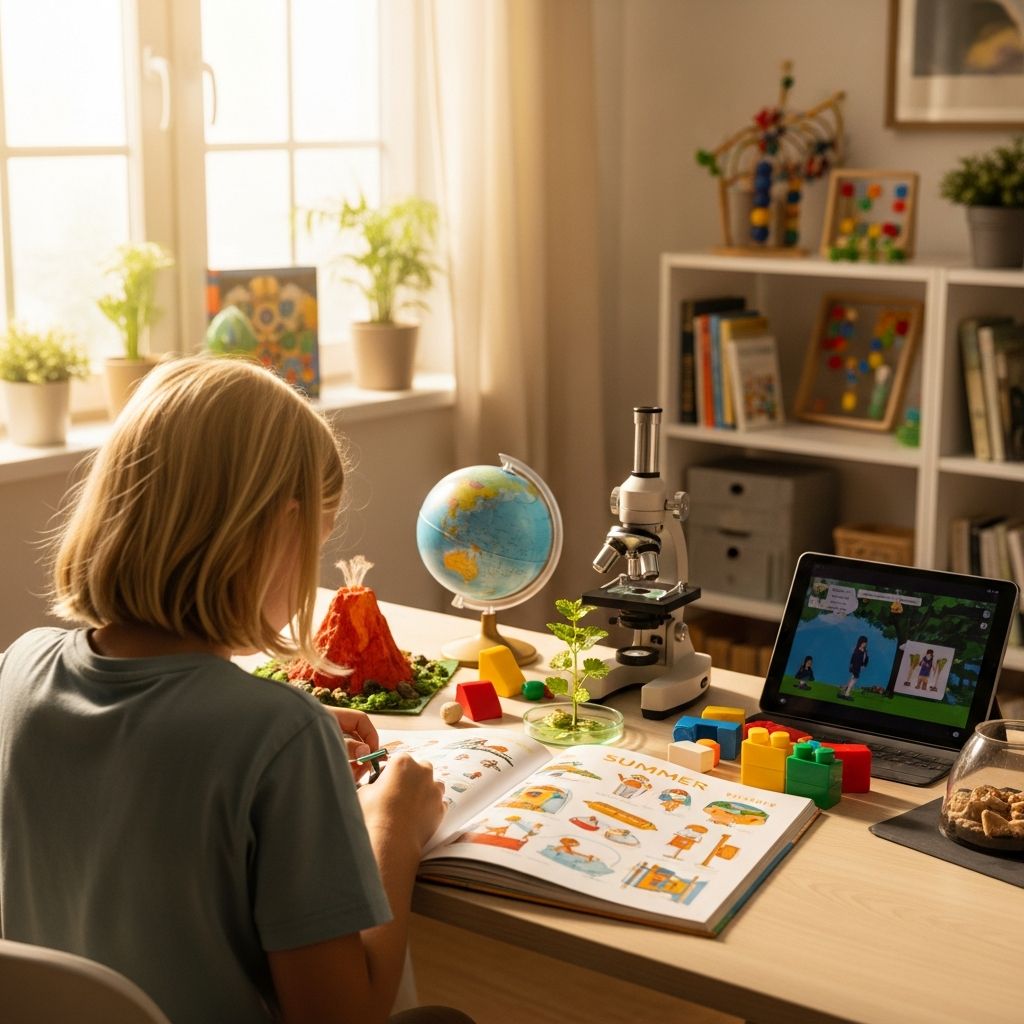
With traditional summer programs often disrupted by funding issues, health concerns, or unexpected events, many families face unstructured time at home. This can be a golden opportunity to nurture creativity, responsibility, and family bonds through simple, cost-effective activities. Drawing from child development insights, this article provides a roadmap for transforming potential boredom into meaningful growth experiences.
Understanding the Impact of Missing Summer Programs
Summer breaks without structured activities can lead to ‘summer slide,’ where children lose academic gains from the school year. Educators note heightened worries about learning losses after periods without enrichment. For children with developmental needs, the absence of therapies exacerbates challenges, potentially reversing progress.
Recent examples highlight vulnerabilities: a Middletown, Ohio camp nearly closed due to funding freezes but was saved last-minute by city intervention, underscoring ongoing uncertainties for fall programs. Similarly, special school schemes faced cancellation over healthcare provisions, prompting policy U-turns. These disruptions emphasize the need for resilient home strategies.
Building Strong Foundations Through Daily Routines
Establishing predictable routines counters the chaos of unstructured days. Start with family meetings to set intentions: discuss desired summer feelings, local outings, hobbies, reading goals, health investments, screen limits, meals, and social plans.
- Morning Momentum: Kick off with outdoor walks or ‘heavy work’ chores like trash duty or gardening to regulate energy and build focus.
- Afternoon Adventures: Dedicate time to chosen hobbies, blending fun with skill-building.
- Evening Connections: Wind down with screen-free family interactions to boost leadership, health, and school readiness.
These elements create balance, preventing dysregulation signs like frustration or routine resistance common at summer’s end.
Hands-On Projects to Spark Creativity and Skills
Encourage children to select summer pursuits that foster intellectual, communicative, and problem-solving abilities. Activities twice weekly yield significant developmental benefits.
| Activity Type | Skills Developed | Home Setup Ideas |
|---|---|---|
| Artistic Expression | Creativity, Fine Motor | Painting with household items, journaling prompts |
| Building & Puzzles | Problem-Solving, Spatial Awareness | LEGO challenges, block towers, jigsaws |
| Musical Exploration | Communication, Rhythm | Instrument play-alongs, song creation |
| Writing Adventures | Intellectual Comprehension | Story prompts, family newsletters |
Parental involvement amplifies impact: shop together for supplies within budget, tying hobbies to routines for sustained engagement.
Fostering Responsibility and Independence
Beyond chores, cultivate ownership by letting kids choose responsibilities. This builds positive control, resilience from trial-and-error, and life skills like cooking or pet care.
- Assign a signature chore, such as weekly meal prep or plant tending.
- Introduce novel tasks: sibling storytime, laundry folding, or veggie harvesting.
- Track progress with family charts, celebrating efforts to reinforce habits.
Such practices align with developmental assets proven to enhance overall well-being and community contribution.
Outdoor and Physical Activities for Healthy Bodies
Physical play combats sedentary risks. Resources from organizations like the Aspen Institute promote at-home exercises: Jr. NBA drills, BOKS workouts, or Project Play challenges. Aim for daily outdoor time, balancing with indoor relaxation.
Sensory strategies aid transitions: deep-pressure activities like weighted blankets or wall pushes calm nerves, especially for kids prone to end-of-summer meltdowns.
Academic Bridges to Prevent Learning Gaps
Integrate subtle learning without mimicking school. Reading marathons, math games via puzzles, or science experiments from kitchen staples maintain momentum. Programs like Harvard’s guidance on limiting losses during closures offer blueprints adaptable to summer.
Family Bonding: The Heart of Summer Success
Summer shines for deepened connections. Evenings sans screens—think board games, storytelling, or stargazing—fortify emotional health. Parental engagement directly correlates with children’s leadership and achievement.
Explore local gems: parks, libraries, or free community events. For social needs, arrange playdates or virtual meetups, echoing resources for school closures.
Navigating Challenges for Special Needs
Children with delays face amplified hurdles sans therapies. Counter with home simulations: speech games, motor skill chores, or scheduled ‘therapy blocks.’ Consistency preserves gains.
Tech Tools and Screen Savvy
Curate educational apps, limiting recreational use. Guides like NYT’s Kids’ Coronavirus resource adapt to general safety talks, blending digital with hands-on.
End-of-Summer Smooth Transitions
Prep for school by gradually reintroducing schedules. Morning walks and regulatory chores ease the shift, mitigating pickiness or low tolerance.
Frequently Asked Questions (FAQs)
How can I prevent summer learning loss at home?
Incorporate daily reading, math-integrated games, and writing. Resources from educators emphasize consistent, playful practice.
What if my child misses therapies over summer?
Replicate sessions at home with sensory activities and skill-focused play to maintain progress.
How much screen time is okay?
Family-decided limits, prioritizing interactive educational content over passive viewing.
Ideas for budget-friendly fun?
Use household items for art, chores for responsibility, and nature for exercise—no extras needed.
How to handle end-of-summer crankiness?
Heavy work tasks and routine previews regulate emotions effectively.
References
- Ohio summer camp saved after nearly shutting down due … – YouTube — ABC News. 2023. https://www.youtube.com/watch?v=rP387t5m2Vw
- What Parents Can Do in the Absence of Summer Programs — Education Week. 2020-07. https://www.edweek.org/education/what-parents-can-do-in-the-absence-of-summer-programs/2020/07
- Common Summer Challenges for Children with Developmental Delays — KOTM.org. N/A. https://kotm.org/common-summer-challenges-for-children-with-developmental-delays-and-how-to-help-them-thrive/
- 5 Summertime Tips to Support Children’s Development — ForOpportunity.org. N/A. https://foropportunity.org/5-summertime-tips-to-support-childrens-development/
- End of Summer Transitions and How to Manage Them — Child and Family Development. N/A. https://www.childandfamilydevelopment.com/blog/end-of-summer-transitions-and-how-to-manage-them/
- U-turn over decision to cancel special school summer schemes — AOL. N/A. https://www.aol.com/articles/mlas-recalled-over-cancellation-sen-105955653.html
- Resources for Programs and Families During School Closures — SummerLearning.org. N/A. https://www.summerlearning.org/resources-for-programs-and-families-during-school-closures/