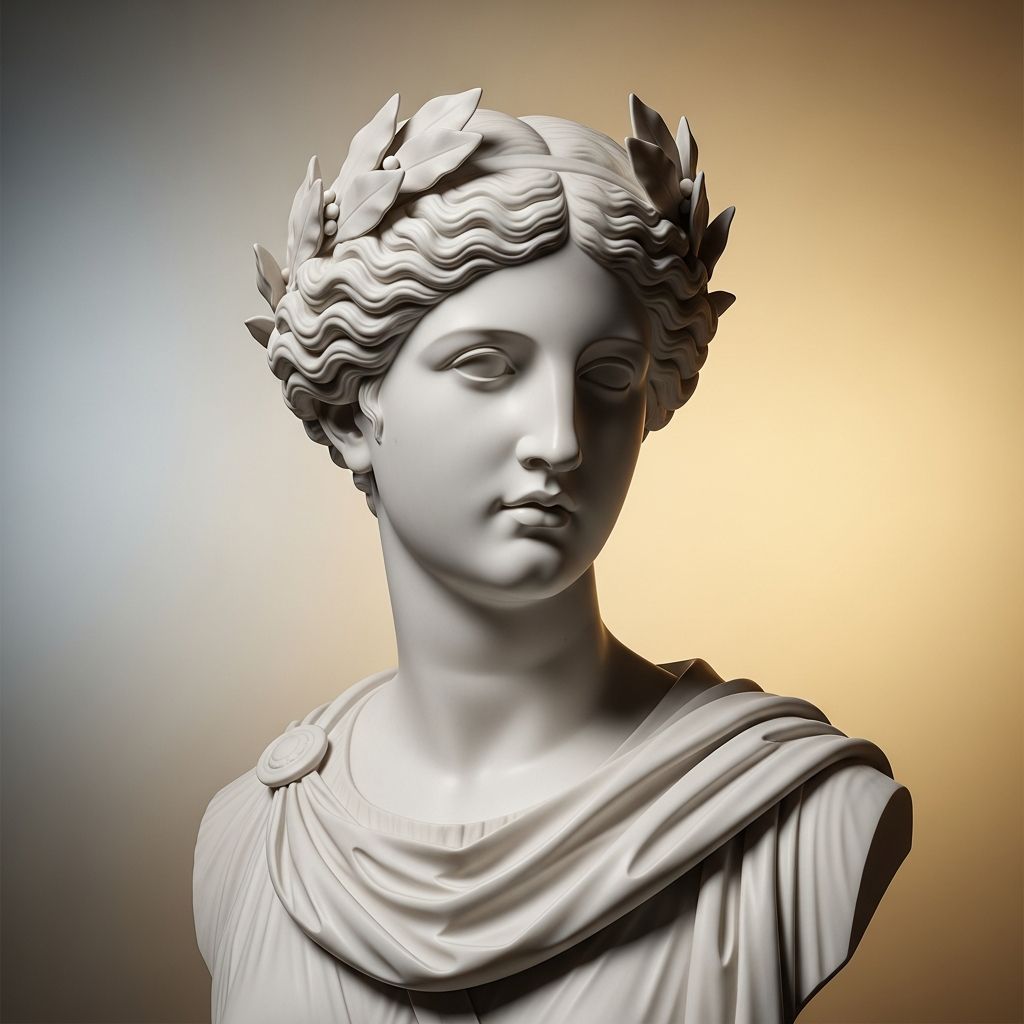
Understanding the Name Olivia: A Parent’s Guide
Choosing a name for your daughter is one of the most meaningful decisions you’ll make as a parent. The name Olivia has emerged as a beloved choice for families across the globe, celebrated for its elegant sound, rich history, and positive symbolism. Whether you’re drawn to its literary heritage, its connection to nature, or simply its timeless beauty, understanding the deeper layers of this name can help you make a confident choice for your child.
The Latin Roots and Classical Meaning
The name Olivia originates from the Latin word “oliva,” which translates to “olive” or “olive tree.” This botanical connection carries profound significance across cultures and history. The olive tree has long been associated with peace, friendship, abundance, and victory in Mediterranean civilizations and beyond. In ancient Rome, the olive tree represented wisdom and prosperity, making it a powerful symbol in everyday life and religious traditions. When parents choose the name Olivia, they’re selecting a name that embodies these positive values of harmony and natural beauty.
The name itself didn’t appear in classical Latin literature as a common designation, yet its construction follows authentic Latin naming conventions. It represents a feminized form that became increasingly popular as naming traditions evolved throughout European history. The evolution of “Olivia” demonstrates how languages adapt and develop while maintaining connections to their ancient roots.
Shakespeare’s Influence on Olivia’s Popularity
While the name existed in various forms for centuries, its surge in popularity can be directly traced to William Shakespeare’s romantic comedy “Twelfth Night,” written in the early 1600s. In this celebrated play, Olivia is portrayed as a wealthy, noble countess of considerable beauty, intelligence, and dignity. Shakespeare’s character brought the name into the consciousness of English-speaking audiences and gave it literary prestige that would endure for centuries.
The Shakespearean connection transformed Olivia from a relatively obscure name into one associated with sophistication, romance, and artistic sensibility. This association particularly resonated during the 18th and 19th centuries, when the name became established among English aristocracy and educated classes. Over time, Olivia gradually filtered down through social strata, eventually becoming accessible and appealing to families across all backgrounds.
Modern Popularity and Global Recognition
In contemporary times, Olivia has achieved remarkable prominence as one of the most favored names for baby girls worldwide. The name has climbed steadily through popularity rankings over recent decades, with particularly notable growth beginning in the early 2000s. In many English-speaking countries, Olivia now consistently ranks at or near the top of national baby name registries.
According to recent data, Olivia holds the number one ranking for girls’ names in the United States, Canada, England, Scotland, and Finland. This widespread popularity speaks to the name’s universal appeal and adaptability across different cultures and linguistic traditions. Parents are drawn to Olivia for its melodic quality, its balance of strength and femininity, and its associations with positive values.
Cultural Significance and Symbolism
Beyond its etymological meaning, Olivia carries deep cultural resonance in Western traditions. The olive branch has long symbolized peace, reconciliation, and the extension of goodwill in both Western and Eastern cultures. Famous historical references include the olive branch carried by the dove in the Biblical account of Noah’s Ark, signifying hope and peace after flood waters receded.
In Greek mythology, the olive tree itself held sacred significance, associated with wisdom and divine favor. These layered meanings contribute to why Olivia appeals to parents seeking a name that embodies not just beauty, but also virtue and positive human values. The name suggests qualities of gentleness, wisdom, and peaceful strength—characteristics many parents hope to nurture in their daughters.
International Variations and Global Adaptations
One of the most remarkable aspects of Olivia is how the name has traveled across linguistic and cultural boundaries while maintaining its essential character. Different regions have developed their own variations that respect local pronunciation patterns and phonetic preferences:
- Romance Languages: French speakers use Olivie or Oliviane, while Spanish-speaking regions typically employ Oliva or occasionally Olivia with distinct pronunciation. Portuguese speakers may use Oliveira or Olivetta.
- Germanic Languages: German variations include Olivie or sometimes the shortened form Livia, adapting the name to German phonetic patterns.
- Slavic Regions: Polish families use Oliwia, while other Slavic countries employ Olivija or Oliviya, reflecting Cyrillic and Latin alphabet traditions.
- Scandinavian Countries: Nordic variations such as Olevia and Alivia appear in Scandinavian countries, along with simply Olivia in its standard form.
- Other Cultures: Greek speakers use Elivia, while Hawaiian adaptation yields Oliwa, demonstrating the name’s flexibility across entirely different language families.
This remarkable adaptability shows that Olivia transcends cultural and linguistic boundaries, making it genuinely international while still honoring local linguistic traditions. Parents raising children in multicultural households often appreciate names like Olivia that work across different languages and cultures.
Nicknames and Shortened Forms
Olivia offers numerous appealing nickname options, allowing the name to evolve naturally as your child grows and develops her own preferences. Common shortenings include Liv, Livvy, and Libby, each with its own personality and charm. Some families also use Oli, Olive (returning to the botanical root), or Lia. This flexibility means the name can feel formal and sophisticated in professional contexts while remaining warm and approachable in intimate family settings.
Numerological Insights
For parents interested in numerology, the name Olivia carries interesting numerical significance. In Pythagorean numerology, Olivia reduces to the number 5, which represents adaptability, freedom, versatility, and a love of variety. People associated with this number are often quick-thinking communicators who thrive in dynamic environments and excel in careers requiring problem-solving and interaction.
The name’s inner desire number (calculated differently) yields the number 7, suggesting a deeper contemplative nature beneath the surface. This numerological duality suggests that Olivias may possess both outward sociability and inner depths—a balance that many find appealing.
Famous Bearers of the Name
Throughout history and in contemporary culture, numerous accomplished women have carried the name Olivia, contributing to its prestige and appeal:
- Olivia Newton-John, the legendary Australian singer and actress who became a global icon in the 1970s and beyond
- Olivia Rodrigo, the American singer-songwriter and actress who has become a defining voice for Generation Z
- Olivia Wilde, acclaimed actress and filmmaker known for her work in television and cinema
- Historical figures such as Saint Olivia of Palermo, a 9th-century Sicilian patron saint
These notable Olivias span different eras and fields of achievement, from entertainment and music to arts and history, demonstrating that the name is worn by women of diverse talents and accomplishments.
Practical Considerations for Parents
While Olivia’s popularity is one of its strengths, parents sometimes wonder whether choosing such a widespread name means their daughter will share her name with many classmates. Research and community feedback suggest that despite high popularity rankings, most individual schools and social groups contain only a handful of Olivias. Additionally, many parents report that the name’s elegance and positive associations outweigh concerns about popularity.
The name Olivia works well across different ages—it sounds appropriate for infants, children, teenagers, and adults in professional settings. It’s relatively easy to spell and pronounce across English-speaking regions, reducing the frustration many people with unusual names experience throughout their lives.
Why Parents Choose Olivia
Parents select Olivia for various compelling reasons. Some are drawn to its Shakespearean literary heritage and the sophistication that connection implies. Others appreciate its nature-based meaning and the values of peace and harmony the olive tree represents. Many love its melodic sound and the way it feels both classic and contemporary simultaneously. Still others choose it because of its strong international presence and adaptability across cultures.
The name works particularly well for families who value education, the arts, literature, and cultural sophistication. It appeals to parents seeking a balance between individuality and familiarity—a name that’s recognizable enough to avoid constant spelling corrections but distinctive enough to feel intentional and meaningful.
Gender Usage and Variations
Olivia is primarily and traditionally a feminine name, though historical records and contemporary usage show occasional instances of its use for boys. However, this remains relatively uncommon in modern times. The name’s associations and linguistic structure have made it decidedly feminine in contemporary English-speaking cultures.
Frequently Asked Questions About the Name Olivia
Q: What does Olivia mean exactly?
A: Olivia derives from the Latin word “oliva,” meaning “olive” or “olive tree.” The name carries symbolic associations with peace, friendship, wisdom, and abundance drawn from the cultural significance of olive trees throughout history.
Q: Is Olivia a biblical name?
A: Olivia is not directly biblical, though it connects to biblical symbolism through the olive tree. The name became popular in English-speaking Christian cultures partly because of these symbolic associations and the Shakespearean literary heritage.
Q: How do you pronounce Olivia?
A: In English, Olivia is pronounced oh-LIV-ee-uh, with emphasis on the second syllable. Pronunciation may vary slightly across different English-speaking regions and other languages.
Q: When did Olivia become popular?
A: While the name existed earlier, Shakespeare’s “Twelfth Night” (1602) significantly boosted its visibility. It became especially established in the 18th and 19th centuries among English upper classes, then gained broader popularity throughout the 20th century and into the present.
Q: Are there any famous historical Olivias besides the Shakespearean character?
A: Yes, Saint Olivia of Palermo is a 9th-century historical figure. In modern times, Olivia Newton-John and Olivia Rodrigo are among the most recognizable bearers of the name across entertainment and music.
Q: Does Olivia fit well with sibling names?
A: Olivia pairs beautifully with many names. Its classic elegance works well with traditional names like Emma, Charlotte, or Grace, as well as with more modern choices. It complements both literary names and nature-inspired selections.
Q: What if I want to use Olivia but worry about its popularity?
A: Consider that while Olivia ranks highly in national statistics, most individual schools and communities have relatively few Olivias. The name’s timeless quality and positive associations often outweigh popularity concerns for families who love it.
Conclusion: A Name That Endures
Olivia represents a remarkable convergence of linguistic beauty, historical significance, and contemporary appeal. From its Latin origins symbolizing peace and natural abundance to its elevation through Shakespearean literature and its current status as a globally favored name, Olivia tells the story of how naming traditions evolve while remaining rooted in meaningful traditions. Whether you’re drawn to its classical elegance, its nature-based symbolism, or its literary heritage, choosing Olivia for your daughter connects her to centuries of history while giving her a name that feels entirely fresh and contemporary. It’s a choice that honors tradition while embracing the future—precisely what many parents hope to offer their children.
References
- Olivia Baby Name Meaning, Origin, Popularity Insights — Momcozy. Accessed January 14, 2026. https://momcozy.com/blogs/baby-names/olivia
- Olivia: Name Meaning, Popularity and Info on BabyNames.com — BabyNames.com. Accessed January 14, 2026. https://babynames.com/name/olivia
- Olivia – Baby Name Meaning, Origin and Popularity — The Bump. Accessed January 14, 2026. https://www.thebump.com/b/olivia-baby-name
- Olivia – Baby Name Meaning, Origin, and Popularity for a Girl — Nameberry. Updated January 9, 2026. https://nameberry.com/b/girl-baby-name-olivia
- Olivia (name) — Wikipedia. Accessed January 14, 2026. https://en.wikipedia.org/wiki/Olivia_(name)